Are Your Exit Signs Safe
Ensure your business is protected with properly installed and maintained Exit Signs, a crucial aspect of fire safety in Lebanon.
- Properly installed and maintained Exit Signs are crucial for ensuring the safety of occupants in the event of a fire.
- Exit Signs must be visible and easily identifiable to guide people to safety.
- Regular inspection and maintenance of Exit Signs are necessary to ensure they function properly during an emergency.
Fire safety is a critical concern for businesses in Lebanon, and one often overlooked aspect is the importance of Exit Signs. Exit Signs play a vital role in guiding occupants to safety during a fire or other emergency. In this article, we will explore the importance of Exit Signs, types of Exit Signs, and maintenance requirements to ensure your business is protected.
Lebanese businesses have a responsibility to ensure the safety of their employees, customers, and visitors. Properly installed and maintained Exit Signs are essential for fulfilling this responsibility. Exit Signs provide a clear and visible indication of the nearest exit routes, helping to prevent panic and confusion during an emergency.
Understanding Exit Signs
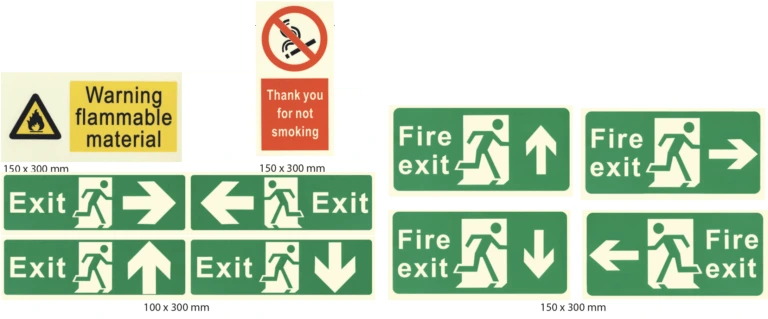
Exit Signs are designed to provide a clear and visible indication of the nearest exit routes. They are typically installed in strategic locations throughout a building, such as corridors, stairwells, and near exit doors. Exit Signs are usually illuminated to ensure they are visible in low-light conditions.
Exit Signs should be installed at a height of no more than 80 inches above the floor to ensure they are visible to all occupants.
Exit Sign Requirements at a Glance
Importance of Exit Signs in Fire Safety
Exit Signs play a critical role in fire safety by providing a clear and visible indication of the nearest exit routes. In the event of a fire or other emergency, Exit Signs help to prevent panic and confusion by guiding occupants to safety. Properly installed and maintained Exit Signs can help to reduce the risk of injury or death.
- Exit Signs help to prevent panic and confusion during an emergency.
- Exit Signs provide a clear and visible indication of the nearest exit routes.
- Exit Signs can help to reduce the risk of injury or death.
Types of Exit Signs
There are several types of Exit Signs available, including electric, battery-powered, and photoluminescent signs. Each type of Exit Sign has its own advantages and disadvantages. Electric Exit Signs are the most common type and are typically installed in commercial and industrial buildings. Battery-powered Exit Signs are often used in areas where electricity is not available.
Electric Exit Signs
Most common type, typically installed in commercial and industrial buildings.
Battery-Powered Exit Signs
Often used in areas where electricity is not available.
Photoluminescent Exit Signs
Use a special material that absorbs light and glows in the dark.
Maintenance and Inspection of Exit Signs
Regular inspection and maintenance of Exit Signs are necessary to ensure they function properly during an emergency. This includes checking the illumination, cleaning the sign, and testing the battery backup. Failure to maintain Exit Signs can result in fines and penalties.
| Task | Frequency | Responsibility |
|---|---|---|
| Inspection | Monthly | Facility Manager |
| Cleaning | Quarterly | Facility Manager |
| Battery Replacement | Annually | Facility Manager |
Regular inspection and maintenance of Exit Signs are crucial to ensure they function properly during an emergency.
NFPA Standards
Common Questions About Exit Signs
Properly installed and maintained Exit Signs are crucial for ensuring the safety of occupants in the event of a fire or other emergency. By understanding the importance of Exit Signs, types of Exit Signs, and maintenance requirements, businesses can help to reduce the risk of injury or death. Regular inspection and maintenance of Exit Signs are necessary to ensure they function properly during an emergency.
Get a Free Fire Safety Assessment
Call ZOD Fire today for a free site visit and fire risk assessment.
Book Your Free Visit