Fire Hose Cabinet Safety Matters
Discover how a properly installed and maintained Fire Hose Cabinet can save lives and property in the event of a fire emergency.
- Regular maintenance of Fire Hose Cabinets is crucial for ensuring they function properly in emergency situations.
- Proper installation and inspection of Fire Hose Cabinets can help prevent fires from spreading.
- Fire Hose Cabinets must be easily accessible and visible to facilitate quick response in case of a fire.
Fire safety is a critical concern for businesses in Lebanon, and one often overlooked aspect is the Fire Hose Cabinet. A Fire Hose Cabinet is a vital component of a fire suppression system, providing quick access to a fire hose in emergency situations. However, if not properly installed, maintained, and inspected, a Fire Hose Cabinet can be ineffective or even hazardous.
Lebanese businesses have a responsibility to ensure the safety of their employees, customers, and property. This includes complying with fire safety regulations and standards, such as those set by the NFPA. A well-maintained Fire Hose Cabinet is essential for meeting these standards and preventing fires from spreading.
In this article, we will explore the importance of Fire Hose Cabinets, their types, and the significance of regular maintenance and inspection. We will also discuss the installation and inspection requirements for Fire Hose Cabinets, as well as common questions and concerns.
Introduction to Fire Hose Cabinets
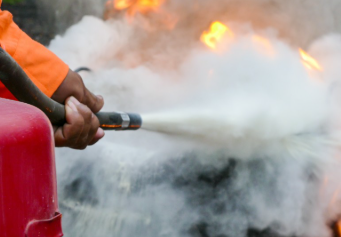
A Fire Hose Cabinet is a housing unit that contains a fire hose, valve, and other equipment necessary for fighting fires. The cabinet is designed to protect the fire hose from damage and provide easy access in emergency situations. Fire Hose Cabinets are typically installed in commercial and industrial buildings, as well as in residential areas with high fire risks.
Fire Hose Cabinet Components
Types of Fire Hose Cabinets
There are several types of Fire Hose Cabinets available, each designed for specific applications and environments. The most common types include:
- Recessed Fire Hose Cabinets: These cabinets are installed in a wall, providing a flush finish and minimizing obstruction.
- Semi-Recessed Fire Hose Cabinets: These cabinets are partially recessed into a wall, providing easy access while maintaining a compact design.
- Surface-Mounted Fire Hose Cabinets: These cabinets are installed on a wall, providing a visible and accessible location for the fire hose.
Importance of Fire Hose Cabinet Maintenance
Regular maintenance and inspection of Fire Hose Cabinets are crucial for ensuring they function properly in emergency situations. This includes:
Fire Hose Cabinet Installation and Inspection
Proper installation and inspection of Fire Hose Cabinets are essential for ensuring they meet fire safety regulations and standards. This includes:
Fire Hose Cabinet Installation
Fire Hose Cabinets must be installed in accordance with NFPA standards and local regulations, taking into account factors such as accessibility, visibility, and environmental conditions.
Fire Hose Cabinet Inspection
Regular inspections must be conducted to ensure the Fire Hose Cabinet and its contents are in good working condition, with any damage or wear identified and addressed promptly.
Fire Hose Cabinet Maintenance
Regular maintenance is essential for ensuring the Fire Hose Cabinet and its contents remain in good working condition, with tasks such as visual inspections, pressure testing, and functional testing performed as required.
A well-maintained Fire Hose Cabinet can be the difference between a minor fire incident and a major disaster, emphasizing the importance of regular maintenance and inspection.
Lebanese Civil Defence and NFPA Standards
Common Questions About Fire Hose Cabinets
In conclusion, a Fire Hose Cabinet is a critical component of a fire suppression system, providing quick access to a fire hose in emergency situations. Regular maintenance and inspection are essential for ensuring the Fire Hose Cabinet functions properly, and businesses in Lebanon must comply with fire safety regulations and standards to minimize fire risks.
Get a Free Fire Safety Assessment
Call ZOD Fire today for a free site visit and fire risk assessment.
Book Your Free Visit