Fire Hydrants: The Hidden Heroes
Discover the crucial role Fire Hydrants play in saving lives and properties in Lebanon, and what you can do to ensure your business is protected.
- Fire Hydrants are a critical component of fire safety infrastructure in Lebanon, providing a reliable source of water to fight fires.
- Regular maintenance and inspection of Fire Hydrants are essential to ensure they function properly in emergency situations.
- Business owners and facility managers must understand the importance of Fire Hydrants and take steps to ensure they are properly installed, maintained, and inspected.
Fire Hydrants are often overlooked, yet they play a vital role in saving lives and properties in Lebanon. These unassuming structures are a crucial part of the fire safety infrastructure, providing a reliable source of water to fight fires. As a business owner or facility manager, it is essential to understand the importance of Fire Hydrants and take steps to ensure they are properly installed, maintained, and inspected.
In Lebanon, Fire Hydrants are particularly important due to the country’s unique geography and climate. The country’s mountainous terrain and dry climate make it prone to wildfires, which can spread quickly and cause significant damage. Fire Hydrants provide a critical source of water to fight these fires, helping to protect people, properties, and the environment.
What Are Fire Hydrants?
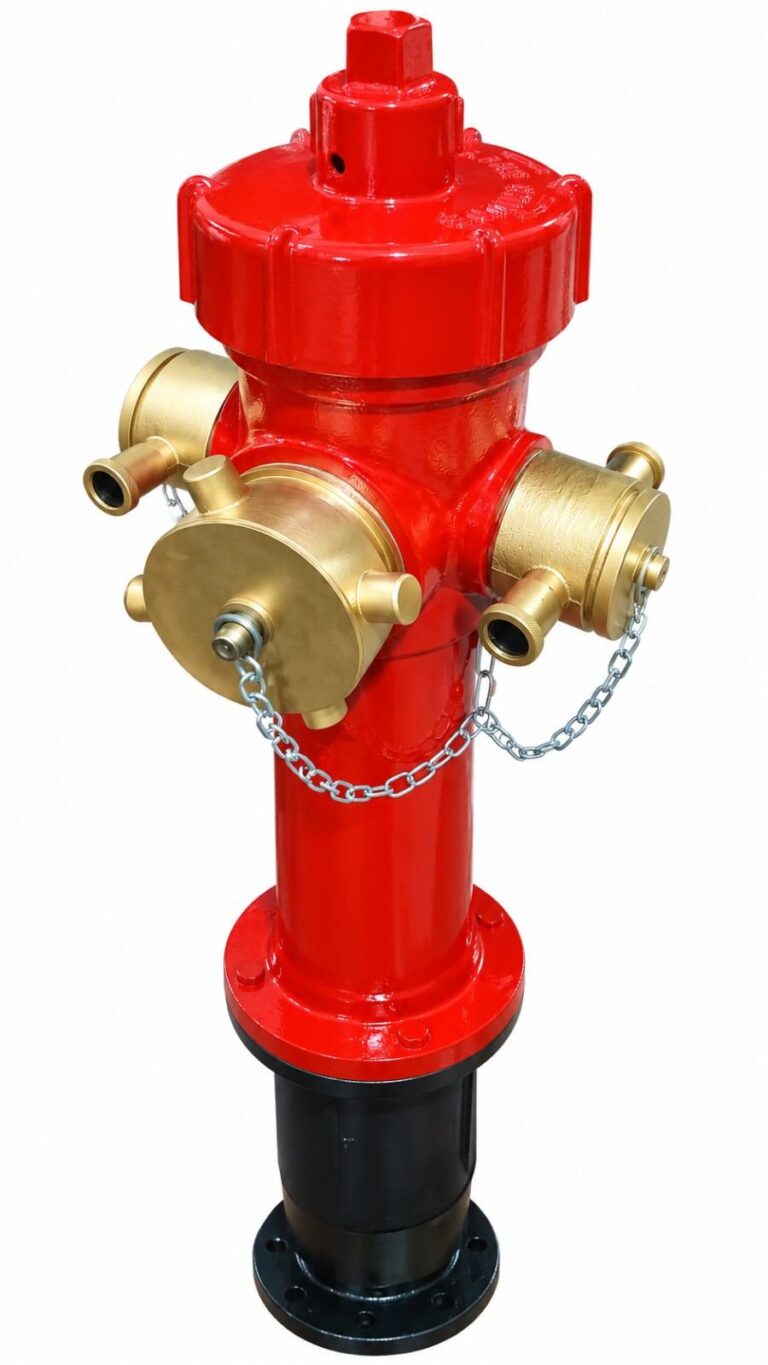
Fire Hydrants are valves that connect to a water supply system, providing a source of water to fight fires. They are typically installed in public areas, such as streets, parks, and buildings, and are designed to be easily accessible in emergency situations. Fire Hydrants come in different types, including wet barrel hydrants, dry barrel hydrants, and pillar hydrants, each with its own unique characteristics and advantages.
Types Of Fire Hydrants
How Fire Hydrants Work
Fire Hydrants work by providing a source of water to fight fires. When a fire occurs, firefighters connect a hose to the hydrant and open the valve, allowing water to flow through the hose and onto the fire. The water pressure and flow rate of the hydrant determine the effectiveness of the firefighting effort.
Fire Hydrants should be inspected regularly to ensure they are functioning properly. This includes checking the valve, hose, and other components for damage or wear.
Importance Of Fire Hydrants In Lebanon
Fire Hydrants are crucial in Lebanon due to the country’s unique geography and climate. The country’s mountainous terrain and dry climate make it prone to wildfires, which can spread quickly and cause significant damage. Fire Hydrants provide a critical source of water to fight these fires, helping to protect people, properties, and the environment.
Role In Firefighting
Firefighters rely on Fire Hydrants to provide a source of water to fight fires. They connect hoses to the hydrant and use the water to extinguish the fire.
Role In Fire Safety
Business owners and facility managers have a responsibility to ensure that Fire Hydrants are properly installed, maintained, and inspected. This includes regular inspections and testing to ensure the hydrant is functioning properly.
Role In Fire Prevention
The community plays a critical role in fire prevention by reporting any issues with Fire Hydrants and taking steps to prevent fires from occurring in the first place.
Fire Hydrant Maintenance And Inspection
Regular maintenance and inspection of Fire Hydrants are essential to ensure they function properly in emergency situations. This includes checking the valve, hose, and other components for damage or wear, as well as testing the hydrant to ensure it is functioning properly.
Regular maintenance and inspection of Fire Hydrants are crucial to ensuring they function properly in emergency situations, helping to protect people, properties, and the environment.
Lebanese Civil Defence and NFPA Standards
Common Questions About Fire Hydrants
In conclusion, Fire Hydrants play a critical role in saving lives and properties in Lebanon. By understanding the importance of Fire Hydrants and taking steps to ensure they are properly installed, maintained, and inspected, business owners and facility managers can help to protect their properties and the community. Regular maintenance and inspection of Fire Hydrants are essential to ensuring they function properly in emergency situations.
Get a Free Fire Safety Assessment
Call ZOD Fire today for a free site visit and fire risk assessment.
Book Your Free Visit