Fire Hose Cabinet Safety Matters
Discover how a properly installed and maintained Fire Hose Cabinet can save lives and property in the event of a fire.
- Proper installation and maintenance of Fire Hose Cabinets are crucial for fire safety.
- Regular inspections can help identify potential issues before they become major problems.
- Businesses must ensure compliance with NFPA standards and local regulations.
Fire safety is a top priority for businesses in Lebanon, and one often overlooked aspect is the Fire Hose Cabinet. A Fire Hose Cabinet is a vital component of a fire suppression system, providing quick access to a fire hose in the event of a fire. However, if not properly installed and maintained, it can be ineffective or even hazardous.
In Lebanon, where fire safety regulations are strict, businesses must ensure that their Fire Hose Cabinets meet the required standards. This includes compliance with NFPA standards, which provide guidelines for the installation, maintenance, and inspection of fire hoses and cabinets.
Introduction to Fire Hose Cabinets
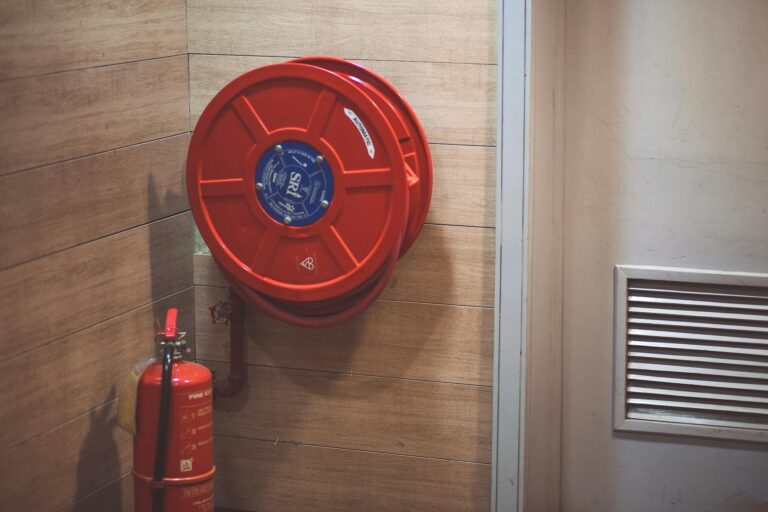
A Fire Hose Cabinet is a enclosure that houses a fire hose, valve, and other components. It is typically installed in a visible and accessible location, such as a hallway or near an exit. The cabinet is designed to protect the fire hose from damage and tampering, while also providing easy access in the event of a fire.
Regular inspections of Fire Hose Cabinets can help identify potential issues before they become major problems.
Fire Hose Cabinet Components
Types of Fire Hose Cabinets
There are several types of Fire Hose Cabinets available, each designed for specific applications and environments. These include recessed cabinets, semi-recessed cabinets, and surface-mounted cabinets.
- Recessed cabinets are installed flush with the surrounding surface, providing a sleek and compact design.
- Semi-recessed cabinets are partially recessed, offering a balance between aesthetics and accessibility.
- Surface-mounted cabinets are attached to the surface, providing easy installation and maintenance.
Fire Hose Cabinet Installation
Proper installation is critical to ensure the Fire Hose Cabinet functions correctly and safely.
Regular Inspections
Regular inspections can help identify potential issues before they become major problems.
Maintenance Requirements
Regular maintenance is necessary to ensure the Fire Hose Cabinet remains functional and compliant with regulations.
Installation and Maintenance Requirements
The installation and maintenance of Fire Hose Cabinets are subject to strict regulations and standards. In Lebanon, businesses must comply with NFPA standards, which provide guidelines for the installation, maintenance, and inspection of fire hoses and cabinets.
| Component | Inspection Interval | Maintenance Requirements |
|---|---|---|
| Fire Hose | Monthly | Inspect for damage, corrosion, and wear. |
| Valve | Quarterly | Inspect for proper function and lubricate as needed. |
| Cabinet | Annually | Inspect for damage, corrosion, and wear. Clean and lubricate hinges and latches. |
Common Mistakes to Avoid
Businesses must avoid common mistakes when it comes to Fire Hose Cabinets, including improper installation, inadequate maintenance, and non-compliance with regulations.
Failure to comply with regulations and standards can result in fines, penalties, and even loss of life.
Proper installation and maintenance of Fire Hose Cabinets are crucial for fire safety and compliance with regulations.
Lebanese Civil Defence and NFPA Standards
Common Questions About Fire Hose Cabinets
Fire Hose Cabinets are a critical component of fire safety, and businesses must ensure that they are properly installed, maintained, and inspected. By following regulations and standards, businesses can help prevent fires and protect lives and property.
Get a Free Fire Safety Assessment
Call ZOD Fire today for a free site visit and fire risk assessment.
Book Your Free Visit