Fire Detection System Lebanon: Stay Ahead Of Hazards
A well-designed Fire Detection System Lebanon can mean the difference between a minor incident and a devastating disaster for your business.
- Fire detection systems are crucial for early warning and response to fires.
- A well-designed system must consider the specific hazards and layout of your facility.
- Regular maintenance and testing are essential for ensuring the system’s effectiveness.
Fire safety is a critical concern for businesses in Lebanon, given the potential risks and consequences of fires. A Fire Detection System Lebanon is an essential component of any fire safety strategy, providing early warning and enabling prompt response to fires. This is particularly important in Lebanon, where the risk of fires is ever-present due to various factors such as electrical issues, arson, or accidental ignition.
The importance of fire detection systems cannot be overstated. These systems are designed to detect fires at an early stage, allowing for swift action to be taken to prevent the fire from spreading and causing damage. In Lebanon, where businesses are often located in close proximity to residential areas, the potential consequences of a fire can be devastating, making fire detection systems a vital investment for any business.
Understanding Fire Detection Systems
Fire detection systems are designed to identify fires at an early stage, using various sensors and detectors to monitor for signs of smoke, heat, or flames. These systems can be tailored to meet the specific needs of your business, taking into account factors such as the size and layout of your facility, the types of materials and equipment used, and the level of risk associated with your operations.
When selecting a fire detection system, consider the level of sensitivity and response time required for your specific application.
Fire Detection System Components
Key Components Of A Fire Detection System
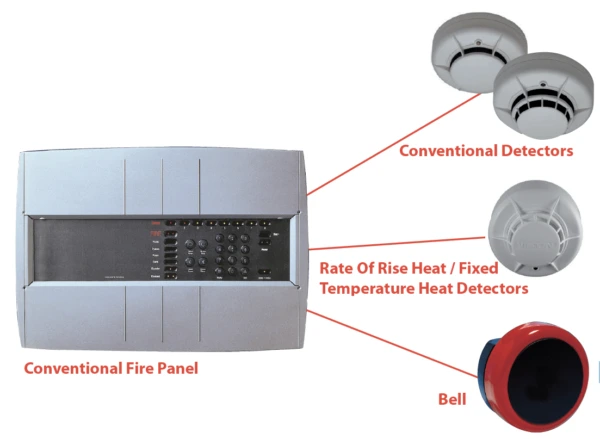
A fire detection system typically consists of several key components, including smoke detectors, heat detectors, alarm systems, and control panels. These components work together to provide comprehensive detection and warning capabilities, enabling prompt response to fires.
- Smoke detectors use optical or ionization sensors to detect smoke particles in the air.
- Heat detectors monitor temperature changes, detecting heat from a fire.
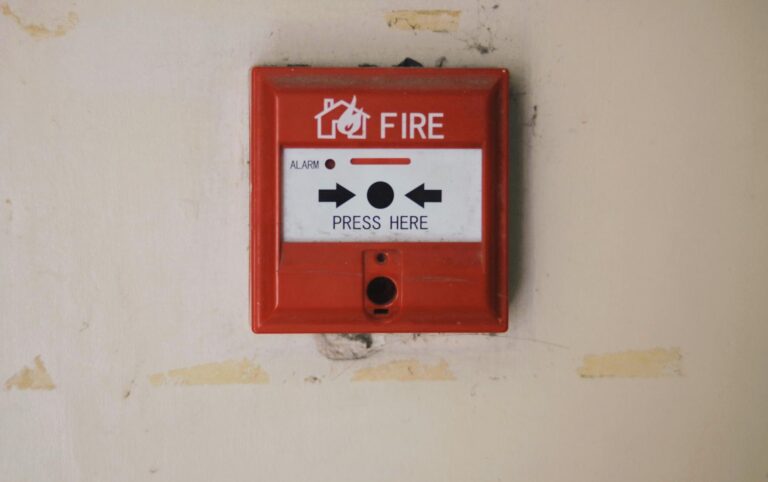
- Alarm systems alert occupants and emergency services in the event of a fire.
- Control panels monitor and control the fire detection system, providing real-time information and alerts.
System Design And Installation
A well-designed and properly installed fire detection system is critical for ensuring effective detection and response to fires.
Regular Maintenance And Testing
Regular maintenance and testing are essential for ensuring the system’s effectiveness and reliability.
Real-Time Monitoring And Alerts
Real-time monitoring and alerts enable prompt response to fires, minimizing damage and risk to life.
Benefits Of Fire Detection System Lebanon
A Fire Detection System Lebanon offers numerous benefits for businesses, including early warning and response to fires, reduced risk of damage and injury, and compliance with NFPA standards and local regulations.
Failing to install and maintain a fire detection system can result in significant fines and penalties, as well as increased risk of damage and injury.
| Benefit | Description |
|---|---|
| Early Warning | Provides prompt alert in the event of a fire, enabling swift response and minimizing damage. |
| Reduced Risk | Minimizes risk of injury and damage, protecting people and property. |
| Compliance | Ensures compliance with NFPA standards and local regulations, reducing risk of fines and penalties. |
Choosing The Right Fire Detection System
Choosing the right fire detection system for your business requires careful consideration of several factors, including the size and layout of your facility, the types of materials and equipment used, and the level of risk associated with your operations.
- ✓Assess Your Facility Identify potential fire hazards and assess the layout of your facility to determine the most effective system design.
- ✓Select The Right Detectors Choose detectors that are suitable for your specific application, considering factors such as smoke, heat, and flame detection.
- ✓Consider System Integration Consider integrating your fire detection system with other safety systems, such as security and access control systems.
A well-designed and properly installed Fire Detection System Lebanon is essential for protecting your business from the risks associated with fires.
Lebanese Civil Defence and NFPA Standards
Common Questions About Fire Detection System Lebanon
In conclusion, a Fire Detection System Lebanon is a critical investment for any business, providing early warning and response to fires, minimizing damage and risk to life. By understanding the importance of fire detection systems, choosing the right system for your facility, and ensuring regular maintenance and inspection, you can protect your business and ensure compliance with NFPA standards and local regulations.
Get a Free Fire Safety Assessment
Call ZOD Fire today for a free site visit and fire risk assessment.
Book Your Free Visit