Fire Extinguisher Lebanon: Are You Prepared
Discover the importance of fire extinguishers in Lebanese businesses and how to ensure compliance with local regulations.
- Regular fire extinguisher inspections are crucial for ensuring workplace safety in Lebanon.
- Employees should receive training on how to use fire extinguishers correctly.
- Businesses must comply with local fire safety regulations to avoid penalties.
Fire safety is a critical concern for businesses in Lebanon, where the risk of fires can be high due to various factors such as electrical malfunctions, human error, and natural disasters. One of the most effective ways to prevent fires from spreading and causing damage is by having functional fire extinguishers on premises.
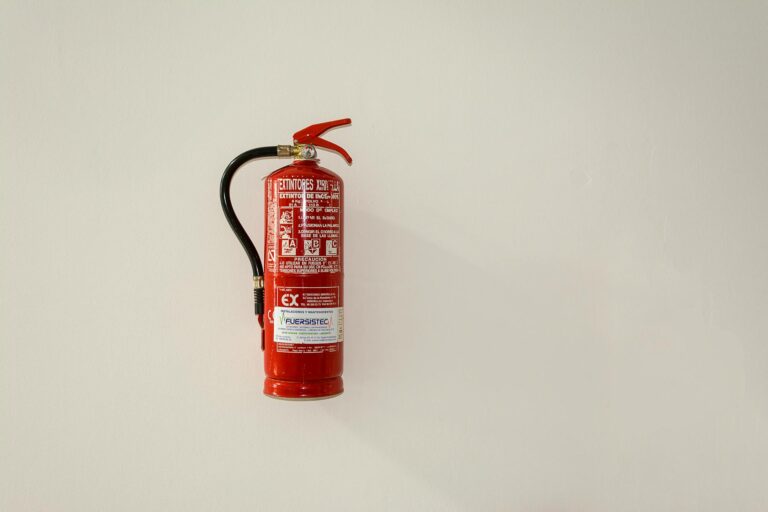
Fire extinguishers are a vital component of any fire safety plan, and it is essential for businesses to understand the different types of extinguishers available, how to maintain and inspect them, and how to use them correctly in case of an emergency. In this article, we will explore the world of fire extinguisher Lebanon, covering the basics of fire extinguishers, their types, maintenance, and the importance of fire safety training for employees.
By the end of this article, you will have a better understanding of the role fire extinguishers play in maintaining a safe workplace and how to ensure compliance with local regulations. Whether you are a business owner, facility manager, or simply interested in fire safety, this article is designed to provide you with practical information and actionable tips to enhance your fire safety knowledge.
Introduction to Fire Extinguisher Lebanon
Fire extinguishers are designed to put out or control small fires in their early stages. They are typically classified into several types based on the type of fire they are designed to extinguish, such as Class A, Class B, Class C, Class D, and Class K fires. Class A fires involve ordinary combustible materials, such as wood, paper, and cloth. Class B fires involve flammable liquids, such as gasoline, oil, and paint. Class C fires involve electrical equipment, such as appliances and wiring. Class D fires involve combustible metals, such as magnesium and titanium. Class K fires involve cooking oils and greases.
It is essential to choose the right type of fire extinguisher for your business based on the types of fires that are most likely to occur.
Fire Extinguisher Types at a Glance
Types of Fire Extinguishers
There are several types of fire extinguishers available, including water extinguishers, foam extinguishers, dry chemical extinguishers, carbon dioxide extinguishers, and clean agent extinguishers. Water extinguishers are suitable for Class A fires, while foam extinguishers are suitable for Class B fires. Dry chemical extinguishers are suitable for Class B and Class C fires, while carbon dioxide extinguishers are suitable for Class B and Class C fires. Clean agent extinguishers are suitable for Class B and Class C fires and are often used in commercial kitchens.
Using the wrong type of fire extinguisher can make a fire worse, so it is essential to choose the right type of extinguisher for your business.
Class A Fires
Suitable for ordinary combustible materials, such as wood, paper, and cloth.
Class B Fires
Suitable for flammable liquids, such as gasoline, oil, and paint.
Class B and Class C Fires
Suitable for flammable liquids and electrical equipment.
Fire Extinguisher Maintenance and Inspection
Regular maintenance and inspection of fire extinguishers are crucial to ensure they are functioning properly in case of an emergency. Fire extinguishers should be inspected monthly to ensure they are fully charged, easily accessible, and not damaged. They should also be inspected annually by a trained technician to ensure they are functioning properly.
- Check the pressure gauge to ensure it is within the recommended range.
- Check the extinguisher for any signs of damage or wear.
- Check the expiration date of the extinguisher.
| Extinguisher Type | Inspection Frequency | Maintenance Requirements |
|---|---|---|
| Water Extinguisher | Monthly | Annual inspection by a trained technician |
| Foam Extinguisher | Monthly | Annual inspection by a trained technician |
| Dry Chemical Extinguisher | Monthly | Annual inspection by a trained technician |
Fire Safety Training for Employees
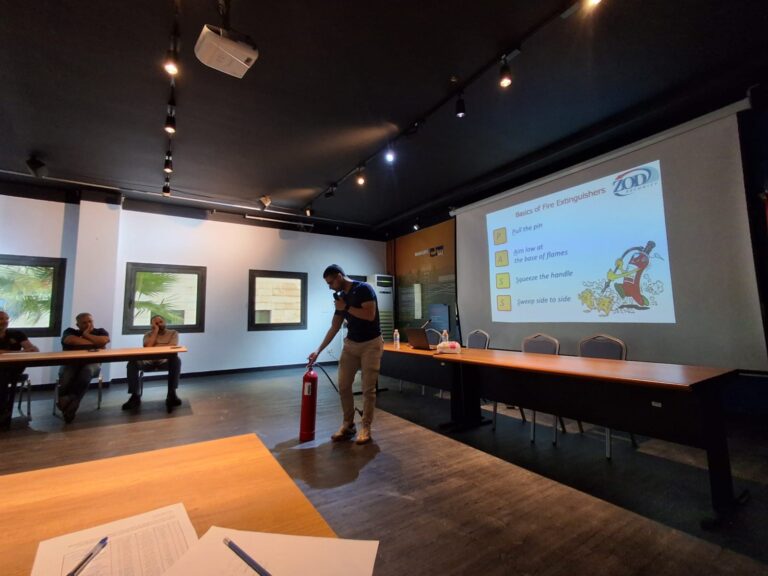
Fire safety training is essential for employees to ensure they know how to respond in case of a fire. Employees should receive training on how to use fire extinguishers correctly, how to evacuate the premises, and how to call the fire department. They should also receive training on fire prevention, such as how to identify potential fire hazards and how to prevent them.
Fire safety training is essential for employees to ensure they know how to respond in case of a fire and to prevent fires from occurring in the first place.
Lebanese Civil Defence and NFPA Standards
Common Questions About Fire Extinguisher Lebanon
Fire extinguishers are a vital component of any fire safety plan, and it is essential for businesses to understand the different types of extinguishers available, how to maintain and inspect them, and how to use them correctly in case of an emergency. By following the tips and guidelines outlined in this article, businesses can ensure they are taking the necessary steps to prevent fires and keep their employees and premises safe.
Get a Free Fire Safety Assessment
Call ZOD Fire today for a free site visit and fire risk assessment.
Book Your Free Visit