Fire Hose Cabinet Safety Matters
Discover how a properly installed and maintained Fire Hose Cabinet can save lives and property in the event of a fire emergency.
- Regular maintenance of Fire Hose Cabinets is crucial for ensuring they function properly in case of a fire emergency.
- Proper installation and inspection of Fire Hose Cabinets can help prevent fires from spreading.
- Fire Hose Cabinets must be easily accessible and visible to ensure quick response in emergency situations.
Fire safety is a critical concern for businesses and facilities in Lebanon, and one often overlooked aspect is the Fire Hose Cabinet. A Fire Hose Cabinet is a vital component of a fire suppression system, providing a means to extinguish fires quickly and effectively. However, if not properly installed, maintained, and inspected, a Fire Hose Cabinet can be rendered useless in an emergency situation.
In Lebanon, where fire safety regulations are in place to protect people and property, it is essential for business owners and facility managers to understand the importance of Fire Hose Cabinets. By learning about the different types of Fire Hose Cabinets, their maintenance requirements, and installation guidelines, individuals can ensure their facilities are equipped to respond to fire emergencies.
Introduction to Fire Hose Cabinets
A Fire Hose Cabinet is a cabinet that contains a fire hose, nozzle, and valve, which are used to distribute water or other extinguishing agents to put out fires. Fire Hose Cabinets are typically installed in commercial and industrial buildings, as well as in residential areas with high fire risks. They are designed to be easily accessible and visible, allowing individuals to quickly respond to fire emergencies.
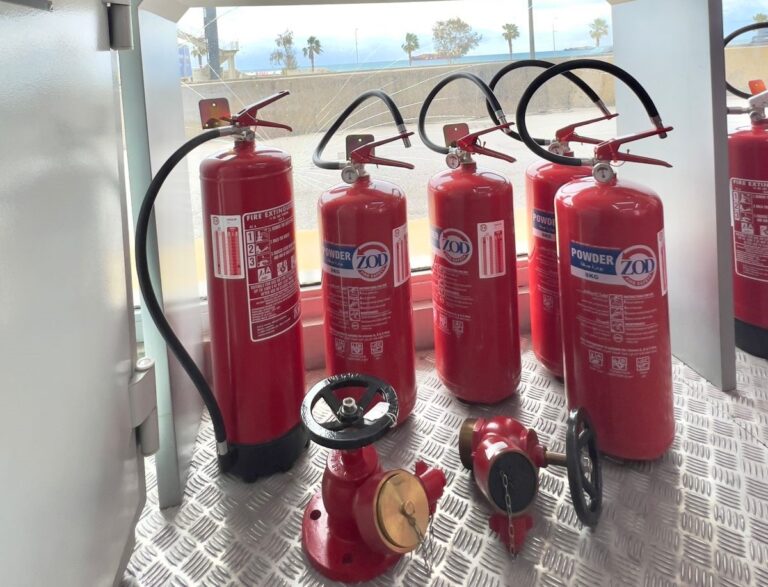
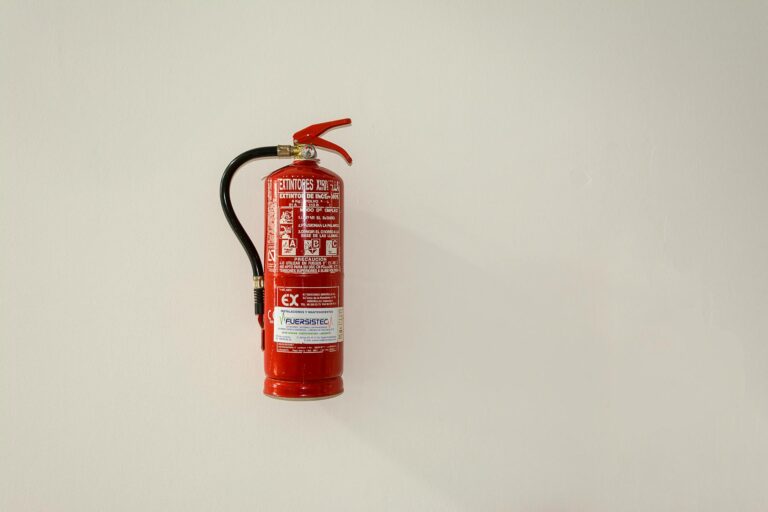
Fire Extinguisher Types at a Glance
Types of Fire Hose Cabinets
There are several types of Fire Hose Cabinets available, each designed to meet specific fire safety needs. Some common types include: semi-recessed, recessed, and surface-mounted cabinets. The choice of Fire Hose Cabinet depends on the location, accessibility, and visibility requirements of the facility.
- Semi-recessed Fire Hose Cabinets are partially embedded in the wall, providing a compromise between recessed and surface-mounted cabinets.
- Recessed Fire Hose Cabinets are fully embedded in the wall, providing a flush finish and minimizing obstruction.
- Surface-mounted Fire Hose Cabinets are attached to the wall, providing easy installation and accessibility.
When choosing a Fire Hose Cabinet, consider the location, accessibility, and visibility requirements of the facility to ensure the cabinet is easily accessible and visible in emergency situations.
Maintenance and Inspection
Regular maintenance and inspection of Fire Hose Cabinets are crucial to ensure they function properly in case of a fire emergency. This includes checking the fire hose, nozzle, and valve for damage, corrosion, or blockages, as well as ensuring the cabinet is easily accessible and visible.
| Component | Inspection Frequency | Maintenance Requirements |
|---|---|---|
| Fire Hose | Annually | Check for damage, corrosion, or blockages. |
| Nozzle | Annually | Check for damage, corrosion, or blockages. |
| Valve | Annually | Check for damage, corrosion, or blockages. |
Fire Hose Cabinet Installation
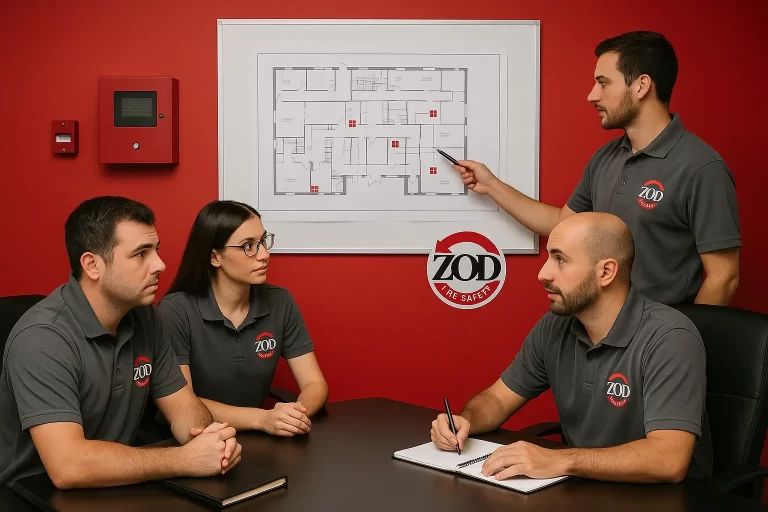
Fire Hose Cabinet installation requires careful consideration of location, accessibility, and visibility. The cabinet should be installed in a location that is easily accessible and visible, such as a hallway or near an exit. The installation should also comply with local fire safety regulations and standards.
Responsibilities
Ensure Fire Hose Cabinets are installed, maintained, and inspected regularly.
Responsibilities
Conduct regular inspections of Fire Hose Cabinets to ensure compliance with fire safety regulations.
Responsibilities
Ensure Fire Hose Cabinets are installed and maintained in accordance with local fire safety regulations.
A properly installed and maintained Fire Hose Cabinet can be the difference between life and death in a fire emergency, so it is crucial to prioritize fire safety and take proactive measures to prevent fires from occurring.
Lebanese Civil Defence and NFPA Standards
Common Questions About Fire Hose Cabinets
By understanding the importance of Fire Hose Cabinets and taking proactive measures to maintain and inspect them, individuals can help prevent fires from occurring and ensure their facilities are equipped to respond to fire emergencies. Remember, fire safety is a shared responsibility, and prioritizing it can save lives and property.
Get a Free Fire Safety Assessment
Call ZOD Fire today for a free site visit and fire risk assessment.
Book Your Free Visit