Fire Prevention vs. Fire Fighting Training: What’s the Difference?
Two disciplines. One goal. Understanding both is the foundation of a legally compliant, resilient fire safety programme.
Every year, commercial and industrial enterprises suffer devastating losses due to workplace fires. Beyond the human toll, businesses face billions in property damage and operational downtime. Yet one of the most common gaps in corporate safety planning is the failure to distinguish between two distinct training disciplines: fire prevention training and fire fighting training.
These two approaches share the same ultimate objective: protecting life and property, but they operate at completely different points on the emergency timeline.
Fire prevention stops the spark before it starts. Fire fighting training equips people to survive and suppress once it has.
Two stages. Two skill sets. Both essential.Think of it this way: fire prevention is the invisible shield built into daily routines and behaviours. Fire fighting training is the tactical sword drawn only when that shield is breached. Most organisations mistakenly fund one at the expense of the other, a false sense of security that exposes people, assets, and operations to unnecessary risk.
What Is Fire Prevention Training?
Fire prevention training is a comprehensive, proactive approach designed to identify, assess, and eliminate the conditions that lead to ignition. It is rooted in routine, vigilance, and strict adherence to safety protocols, the underlying philosophy being that the best way to survive a fire is to ensure it never starts.
By understanding the science of fire, employees learn to systematically separate heat, fuel, and oxygen as a matter of daily habit, making hazard awareness second nature rather than an afterthought.
What Is Fire Fighting Training?
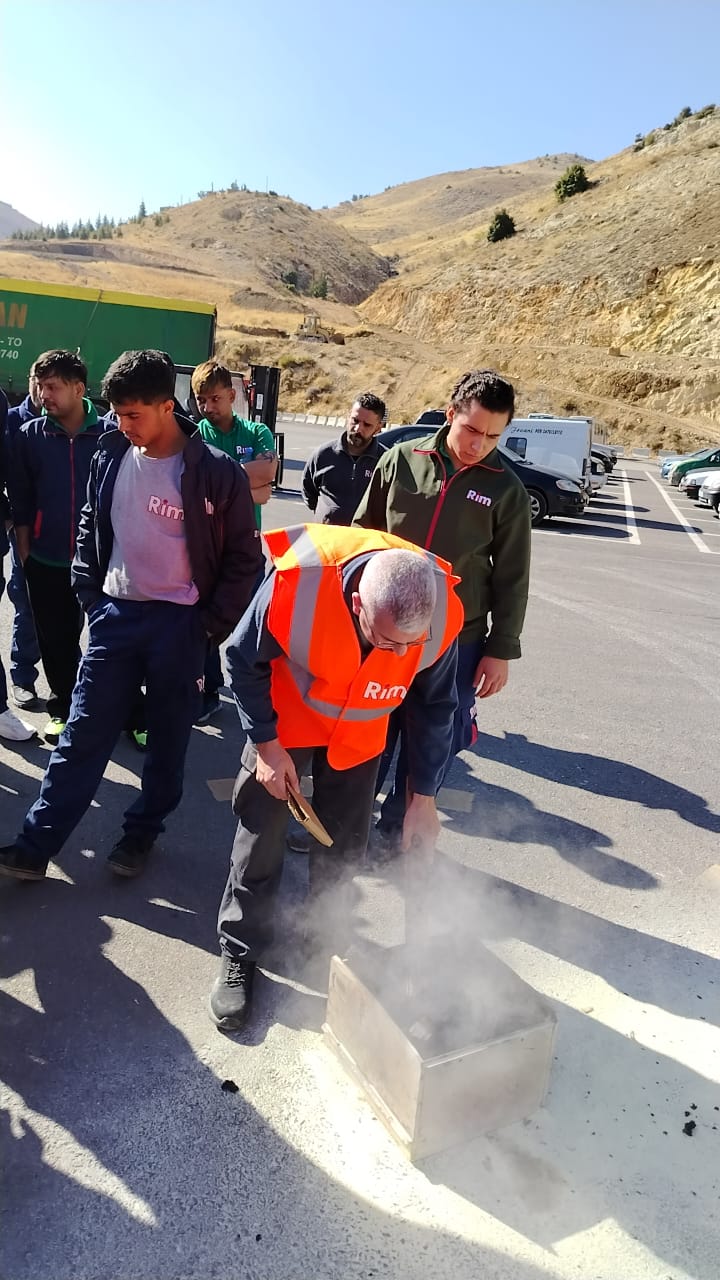
Fire fighting training operates on the assumption that a preventative failure has occurred. An emergency is actively unfolding, and immediate, tactical action is required. This training is heavily focused on emergency response, quick decision-making under high-stress conditions, and the safe, practical application of suppression equipment.
Workplace fire fighting training does not aim to turn employees into professional firefighters. It empowers designated staff to safely extinguish small, early-stage fires, and to know exactly when a fire has grown too dangerous to fight, requiring immediate evacuation.
Side-by-Side Comparison
The table below captures the essential differences between fire prevention and fire fighting training at a glance.
| Feature | Fire Prevention Training | Fire Fighting Training |
|---|---|---|
| Core Approach | Proactive & Preventative | Reactive & Tactical |
| Primary Goal | Identify and eliminate hazards so fires never ignite | Safely suppress early-stage fires and ensure life safety |
| Psychological Focus | Analytical, observant, detail-oriented | Stress management, quick decision-making, emotional regulation |
| Target Audience | All employees: the entire general workforce | All managers & employees |
Who Needs Which Training?
Not every employee needs to be an expert in tactical fire suppression, but every single employee must participate in fire prevention training. A tiered approach ensures maximum efficiency and regulatory compliance.
General Workforce
Every employee, from the CEO to the newest hire, must receive mandatory fire prevention training. They need to know how to keep workspaces hazard-free, report potential risks, and follow evacuation routes.
Fire Wardens & Floor Managers
These individuals require a hybrid of advanced prevention and basic fire fighting training. They conduct daily safety sweeps, keep fire doors clear, and lead safe evacuations during live emergencies.
Emergency Response Teams (ERTs)
In industrial or high-risk environments, ERTs undergo rigorous, intensive fire fighting training, including protective gear, aggressive incipient suppression, coordination with fire departments, and emergency medical response.
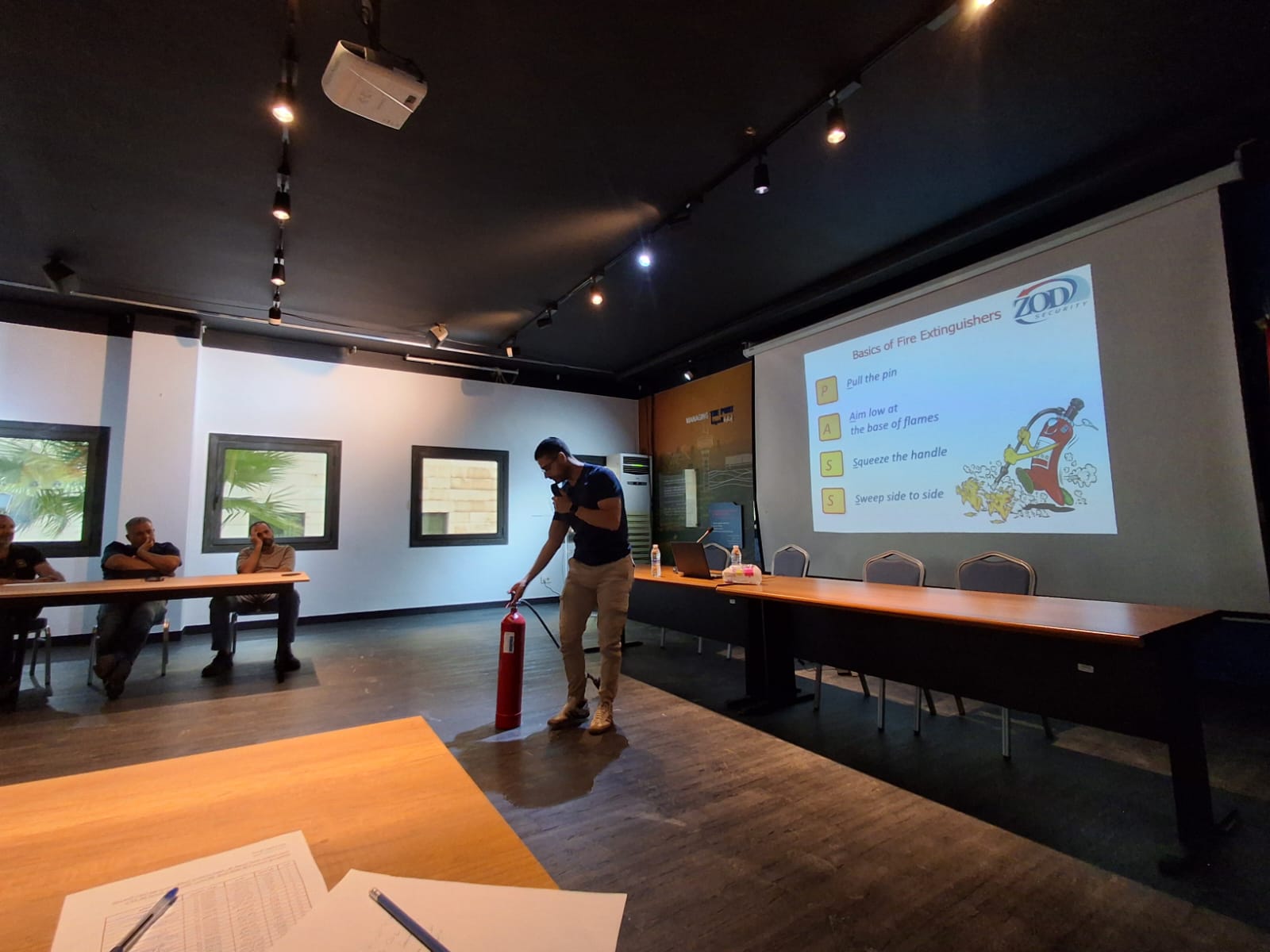
ZOD Fire Safety delivers fire safety training sessions covering extinguisher use, evacuation procedures, and hazard prevention, customised to match your facility’s specific risks. Training is recommended at least annually, with additional sessions after significant staff changes or layout modifications.
The ROI of Comprehensive Fire Safety Training
Investing in both disciplines is not a regulatory checkbox; it is a vital financial and operational strategy. The logic is straightforward: prevention reduces the likelihood of a fire starting, while fire fighting training reduces the damage when one does. Neglecting either leaves a critical gap in your organisation’s safety posture.
Most workplace fires are the result of preventable conditions, improper storage, unmaintained equipment, and ignored hazards that accumulate over time. A trained, hazard-aware workforce is your first and most cost-effective line of defence. When prevention fails, employees who have practiced extinguisher operation and evacuation procedures are far better positioned to act quickly and safely before the situation escalates.
Synergising Both Disciplines
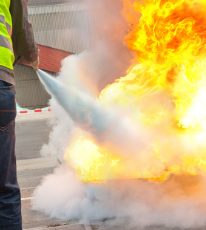
For example, if a preventative audit reveals that a specific warehouse sector stores Class B flammable liquids, the fire fighting training for that sector must be heavily tailored toward foam or CO₂ extinguishers rather than standard water-based suppression. The two disciplines feed each other, and ZOD Fire Safety’s training handover at commissioning ensures this continuity is built in from the start.
Building a Resilient Culture of Fire Safety
Prevention is the daily, proactive diligence that keeps every workspace hazard-free, an invisible shield protecting your organisation around the clock. Fire fighting training is the tactical readiness activated when that shield is breached.
By integrating rigorous prevention protocols with dynamic, hands-on fire fighting training, backed by NFPA-compliant systems and equipment, organisations protect their assets, maintain legal compliance, and ensure every employee returns home safely.
Ready to train your team and protect your facility?
ZOD Fire Safety provides complete fire safety training to support your organisation’s compliance programme across Lebanon.
Request a Free Site Assessment