Fire Risk Assessment Lebanon: Protect Your Business
Don’t let fire risks destroy your business, learn how to identify and mitigate them with a fire risk assessment in Lebanon.
- Fire risk assessment is crucial for identifying potential fire hazards in Lebanese businesses.
- A comprehensive fire risk assessment can help mitigate fire risks and protect people and property.
- Regular fire safety training and equipment maintenance are essential for ensuring fire safety in Lebanese businesses.
Fire risks are a significant concern for businesses in Lebanon, with the potential to cause damage to property, injury to people, and disruption to operations. A fire risk assessment is a critical step in identifying and mitigating these risks, and is a legal requirement for many businesses in Lebanon.
By conducting a fire risk assessment, Lebanese businesses can identify potential fire hazards, assess the likelihood and potential impact of a fire, and implement measures to mitigate these risks. This can include installing fire suppression systems, implementing fire safety procedures, and providing fire safety training to employees.
In addition to the legal requirements, there are many benefits to conducting a fire risk assessment in Lebanon. These include reducing the risk of fire, protecting people and property, and minimizing disruption to business operations. A fire risk assessment can also help businesses to identify areas where they can improve their fire safety procedures and reduce their insurance premiums.
Introduction to Fire Risk Assessment Lebanon
A fire risk assessment is a systematic process for identifying and evaluating potential fire hazards in a business or organization. It involves identifying potential sources of ignition, assessing the likelihood and potential impact of a fire, and implementing measures to mitigate these risks.
It is essential to conduct a fire risk assessment regularly to ensure that fire safety procedures are up to date and effective.
Fire Extinguisher Types at a Glance
Benefits of Fire Risk Assessment for Lebanese Businesses
Conducting a fire risk assessment can have numerous benefits for Lebanese businesses, including reducing the risk of fire, protecting people and property, and minimizing disruption to business operations.
- Reduced risk of fire: A fire risk assessment can help identify potential fire hazards and implement measures to mitigate these risks.
- Protection of people and property: A fire risk assessment can help ensure that people and property are protected from the risks of fire.
- Minimized disruption to business operations: A fire risk assessment can help minimize disruption to business operations by identifying and mitigating potential fire hazards.
Failing to conduct a fire risk assessment can have serious consequences, including fines, penalties, and damage to property and reputation.
Fire Prevention Measures
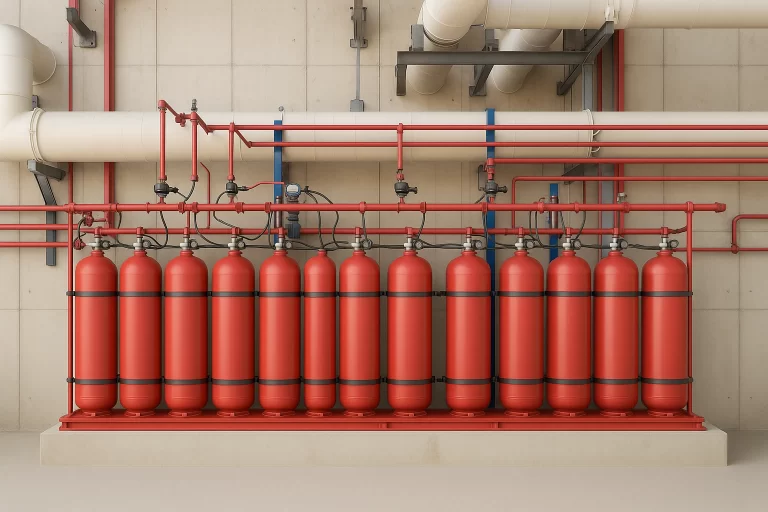
Implementing fire prevention measures, such as installing fire suppression systems and providing fire safety training, can help reduce the risk of fire.
Fire Detection Systems
Installing fire detection systems, such as smoke detectors and heat detectors, can help detect fires early and minimize damage.
Fire Response Plan
Having a fire response plan in place, including procedures for evacuation and fire extinguishment, can help minimize damage and protect people and property.
Conducting a Fire Risk Assessment in Lebanon
Conducting a fire risk assessment in Lebanon involves several steps, including identifying potential fire hazards, assessing the likelihood and potential impact of a fire, and implementing measures to mitigate these risks.
| Fire Hazard | Likelihood | Impact |
|---|---|---|
| Electrical Equipment | High | High |
| Open Flames | Medium | Medium |
| Flammable Liquids | Low | Low |
Mitigating Fire Risks in Lebanese Businesses
Mitigating fire risks in Lebanese businesses involves implementing measures to reduce the likelihood and potential impact of a fire.
This can include installing fire suppression systems, providing fire safety training, and implementing fire safety procedures.
Regular maintenance of fire safety equipment and systems is essential to ensure that they are functioning properly in the event of a fire.
Conducting a fire risk assessment and implementing measures to mitigate fire risks is essential for protecting people and property in Lebanese businesses.
Lebanese Civil Defence and NFPA Standards
Common Questions About Fire Risk Assessment Lebanon
Conducting a fire risk assessment is a critical step in protecting people and property in Lebanese businesses. By identifying potential fire hazards and implementing measures to mitigate these risks, businesses can reduce the likelihood and potential impact of a fire.
Get a Free Fire Safety Assessment
Call ZOD Fire today for a free site visit and fire risk assessment.
Book Your Free Visit