Fire Risk Assessment Lebanon: Protect Your Business
Discover the importance of fire risk assessment for your Lebanese business and take proactive steps to ensure your property and employees are safe.
- Identify potential fire hazards in your business to prevent fires and ensure compliance with Lebanese regulations.
- Conduct regular fire risk assessments to minimize risks and protect your employees and property.
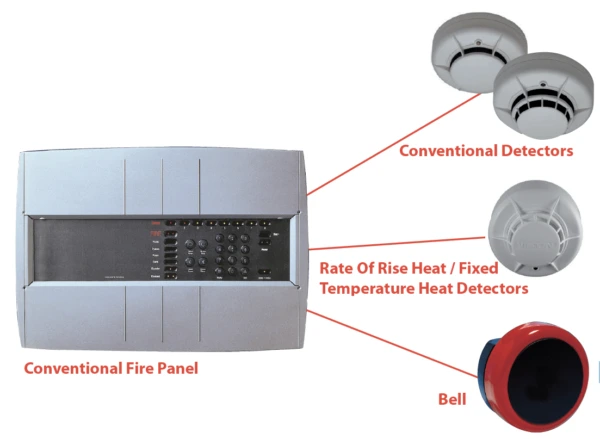
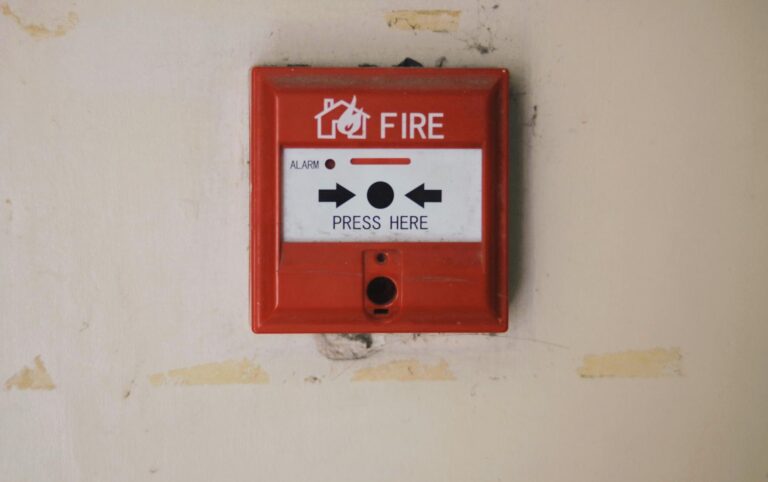
- Implement effective fire safety measures, such as fire alarms and suppression systems, to mitigate fire risks.
Fire risk assessment is a crucial process for businesses in Lebanon to identify potential fire hazards and take proactive steps to prevent fires. The Lebanese Civil Defence and NFPA standards emphasize the importance of fire risk assessment for ensuring the safety of employees, customers, and property.
Lebanese businesses, regardless of their size or industry, are at risk of fires due to various factors, such as electrical malfunctions, human error, or natural disasters. A fire risk assessment can help businesses identify these risks and implement effective measures to mitigate them.
By conducting a fire risk assessment, Lebanese businesses can ensure compliance with local regulations, reduce the risk of fires, and protect their assets and reputation. In this article, we will explore the importance of fire risk assessment in Lebanon, its benefits, and how to conduct a comprehensive assessment.
What is Fire Risk Assessment Lebanon
Fire risk assessment is a systematic process of identifying potential fire hazards, evaluating the risks, and implementing measures to mitigate or eliminate them. In Lebanon, fire risk assessment is a critical component of fire safety, as it helps businesses to comply with local regulations and ensure the safety of their employees, customers, and property.
Regular fire risk assessments can help Lebanese businesses to identify potential fire hazards and take proactive steps to prevent fires, reducing the risk of damage to property and injury to people.
Fire Extinguisher Types at a Glance
Benefits of Fire Risk Assessment for Lebanese Businesses
Conducting a fire risk assessment can have numerous benefits for Lebanese businesses, including reducing the risk of fires, ensuring compliance with local regulations, and protecting employees and property. By identifying potential fire hazards and implementing effective measures to mitigate them, businesses can minimize the risk of damage to property and injury to people.
- Reduced risk of fires and damage to property
- Compliance with Lebanese regulations and NFPA standards
- Protection of employees and customers
- Reduced insurance premiums
- Enhanced reputation and business continuity
Identify Potential Hazards
Conduct a preliminary assessment to identify potential fire hazards, such as electrical malfunctions or human error.
Evaluate Risks
Evaluate the identified hazards and assess the risks associated with each one.
Implement Measures
Implement effective measures to mitigate or eliminate the identified hazards and risks.
Conducting a Fire Risk Assessment in Lebanon
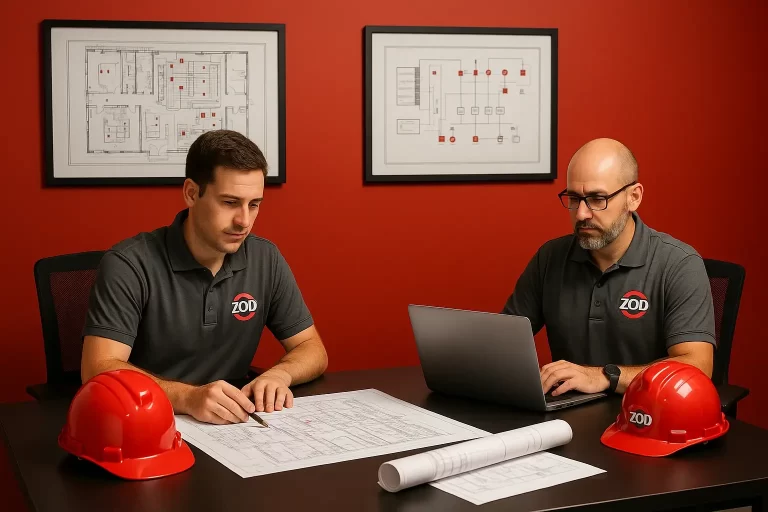
Conducting a fire risk assessment in Lebanon involves a systematic process of identifying potential fire hazards, evaluating the risks, and implementing measures to mitigate or eliminate them. The assessment should be conducted by a trained and certified professional, such as a fire safety consultant or a member of the Lebanese Civil Defence.
Failing to conduct a comprehensive fire risk assessment can result in non-compliance with Lebanese regulations, increased risk of fires, and damage to property and injury to people.
| Hazard | Risk Level | Mitigation Measures |
|---|---|---|
| Electrical Malfunctions | High | Regular Maintenance, Inspections, and Repairs |
| Human Error | Medium | Training and Awareness Programs, Clear Procedures and Protocols |
| Natural Disasters | Low | Emergency Preparedness and Response Plans, Regular Drills and Exercises |
Common Fire Hazards in Lebanese Businesses
Lebanese businesses are at risk of various fire hazards, including electrical malfunctions, human error, and natural disasters. Identifying these hazards and implementing effective measures to mitigate them is crucial for ensuring the safety of employees, customers, and property.
- Electrical malfunctions, such as faulty wiring or overloaded circuits
- Human error, such as careless behavior or lack of training
- Natural disasters, such as earthquakes or floods
- Combustible materials, such as paper, wood, or cloth
- Flammable liquids, such as gasoline or diesel fuel
Regular fire risk assessments are essential for Lebanese businesses to identify potential fire hazards and take proactive steps to prevent fires, reducing the risk of damage to property and injury to people.
Lebanese Civil Defence and NFPA Standards
Common Questions About Fire Risk Assessment Lebanon
Fire risk assessment is a critical component of fire safety in Lebanon, and businesses should take proactive steps to identify potential fire hazards and implement effective measures to mitigate them. By conducting regular fire risk assessments, Lebanese businesses can ensure compliance with local regulations, reduce the risk of fires, and protect their employees, customers, and property.
Get a Free Fire Safety Assessment
Call ZOD Fire today for a free site visit and fire risk assessment.
Book Your Free Visit