Fire Suppression System: Protect Your Business
A fire can destroy your business in a matter of minutes, making a fire suppression system crucial for protecting your assets and employees.
- A fire suppression system can help protect your business from fires by detecting and extinguishing them quickly.
- There are different types of fire suppression systems, including clean agent, carbon dioxide, and water-based systems.
- Choosing the right fire suppression system for your business depends on the type of facility, the hazards present, and the level of protection needed.
Fire safety is a critical concern for businesses in Lebanon, where fires can occur due to various reasons such as electrical malfunctions, arson, or accidents. A fire can destroy a business in a matter of minutes, causing significant financial losses and putting employees’ lives at risk.
A fire suppression system is a critical component of fire safety, designed to detect and extinguish fires quickly, minimizing damage and protecting people and property. In this article, we will discuss the importance of fire suppression systems for businesses, the different types of systems available, and how to choose the right one for your facility.
According to the National Fire Protection Association (NFPA), a fire suppression system can help reduce the risk of fire by up to 90%. This is because these systems are designed to detect fires early, when they are still small and manageable, and extinguish them quickly, before they spread.
What is a Fire Suppression System
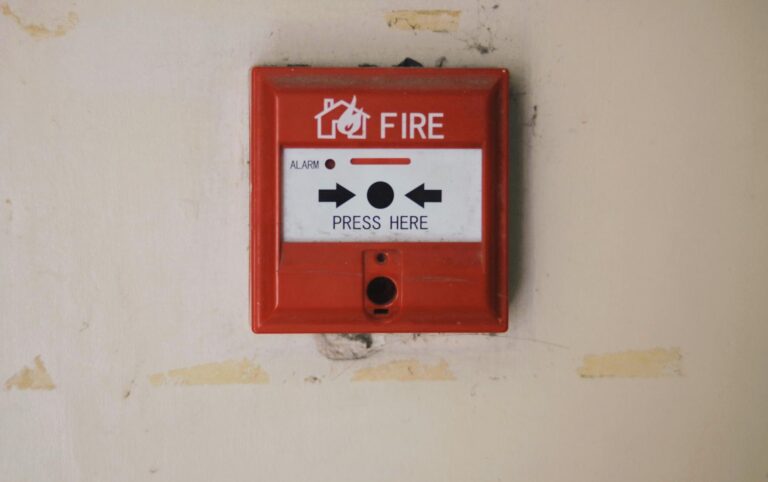
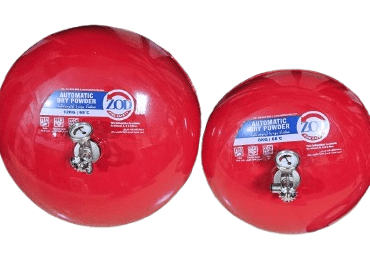
A fire suppression system is a network of devices and components designed to detect and extinguish fires. These systems typically include sensors, control panels, and extinguishing agents, such as clean agents, carbon dioxide, or water.
Fire suppression systems can be customized to meet the specific needs of a business, taking into account the type of facility, the hazards present, and the level of protection needed.
Fire Suppression System Components
Types of Fire Suppression Systems
There are several types of fire suppression systems available, each designed to meet specific fire safety needs. These include clean agent systems, carbon dioxide systems, and water-based systems.
- Clean agent systems use a colorless, odorless gas to extinguish fires, and are commonly used in data centers, museums, and other facilities where water or foam could damage equipment or artifacts.
- Carbon dioxide systems use CO2 to displace oxygen and extinguish fires, and are often used in industrial settings, such as manufacturing facilities and warehouses.
- Water-based systems use water or a water-based solution to extinguish fires, and are commonly used in commercial and residential settings, such as offices, schools, and homes.
Importance of Fire Suppression Systems for Businesses
A fire suppression system is essential for businesses, as it can help protect people, property, and assets from fires. These systems can also help minimize downtime and reduce the risk of business interruption.
Without a fire suppression system, a business may be at risk of significant financial losses, damage to equipment and property, and even loss of life.
Benefits of Fire Suppression Systems for Businesses
How to Choose the Right Fire Suppression System
Choosing the right fire suppression system for your business depends on several factors, including the type of facility, the hazards present, and the level of protection needed.
- ✓Assess the Hazards Identify the types of fires that could occur in your facility, such as electrical, chemical, or cooking fires.
- ✓Consider the Facility Think about the size, layout, and construction of your facility, as well as the number of occupants and the types of activities that take place.
- ✓Evaluate the Options Research different types of fire suppression systems, including clean agent, carbon dioxide, and water-based systems, and consider factors such as cost, maintenance, and effectiveness.
A fire suppression system is a critical investment for any business, as it can help protect people, property, and assets from fires and minimize downtime and financial losses.
National Fire Protection Association (NFPA)
Common Questions About Fire Suppression Systems
In conclusion, a fire suppression system is a critical investment for any business, as it can help protect people, property, and assets from fires and minimize downtime and financial losses. By understanding the different types of fire suppression systems available and choosing the right one for your facility, you can help ensure the safety and security of your business.
Get a Free Fire Safety Assessment
Call ZOD Fire today for a free site visit and fire risk assessment.
Book Your Free Visit