Fire Suppression System: Protect Your Business
A fire can destroy your business in minutes, learn how a Fire Suppression System can save your investment.
- A Fire Suppression System can save your business from fire damage by suppressing fires quickly and effectively.
- Regular maintenance and inspection of Fire Suppression Systems are crucial to ensure they function properly in case of a fire.
- Business owners should consider the type of fire hazards present in their facility when selecting a Fire Suppression System.
Fire safety is a critical concern for businesses in Lebanon, as a fire can destroy a facility and its contents in a matter of minutes. A Fire Suppression System is a vital component of fire safety, as it can detect and suppress fires quickly, minimizing damage and saving lives.
Lebanese businesses must take fire safety seriously, as the consequences of a fire can be devastating. A Fire Suppression System can provide peace of mind for business owners, knowing that their facility is protected from fires. In this article, we will explore the importance of Fire Suppression Systems, how they work, and the different types available.
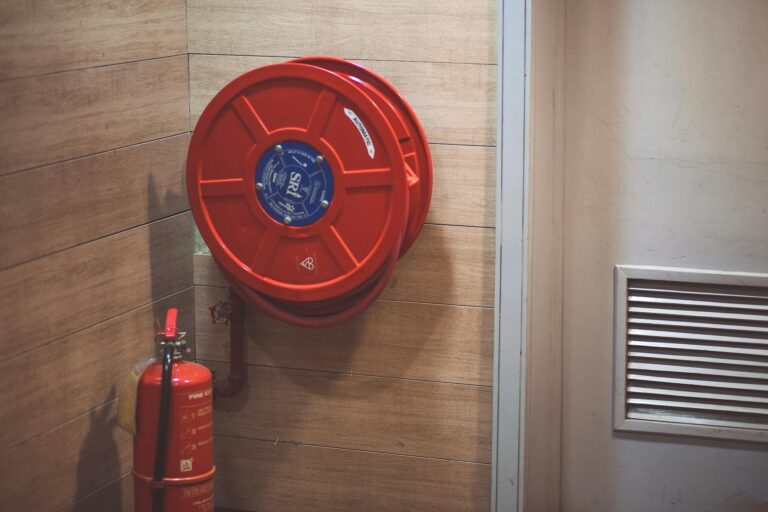
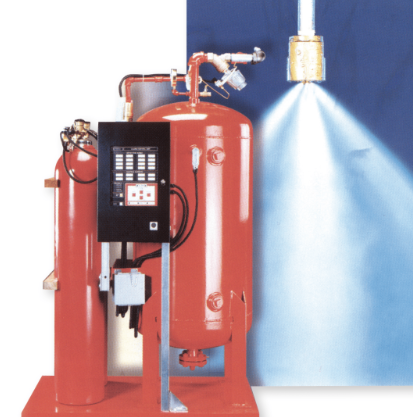
Fire Suppression Systems are designed to detect and suppress fires in their early stages, preventing them from spreading and causing damage. These systems use a combination of detection devices, such as smoke detectors and heat sensors, and suppression agents, such as water or foam, to extinguish fires.
Introduction to Fire Suppression Systems
Fire Suppression Systems are designed to protect people and property from fire hazards. These systems are typically used in commercial and industrial facilities, such as offices, restaurants, and warehouses. Fire Suppression Systems can be customized to meet the specific needs of a facility, taking into account the type of fire hazards present and the layout of the building.
Business owners should consider the type of fire hazards present in their facility when selecting a Fire Suppression System. For example, a facility with electrical equipment may require a different type of suppression system than a facility with cooking equipment.
Fire Suppression System Components
How Fire Suppression Systems Work
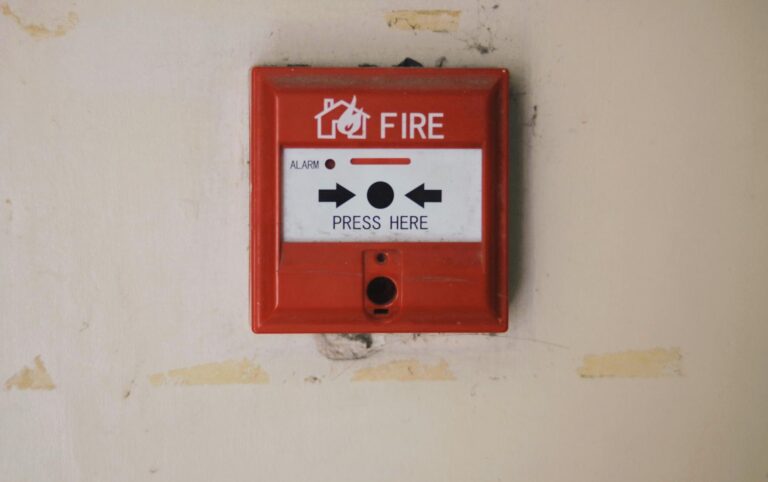
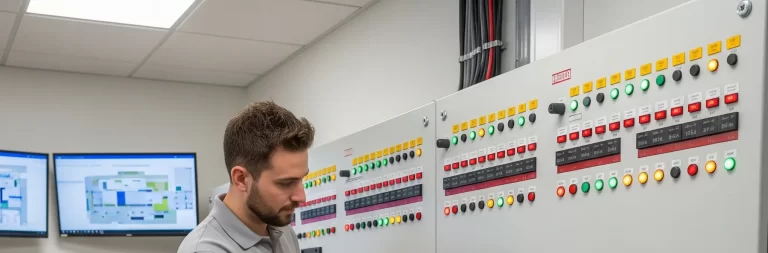
Fire Suppression Systems work by detecting fires in their early stages and suppressing them quickly, preventing them from spreading and causing damage. The system uses a combination of detection devices, such as smoke detectors and heat sensors, to detect fires. Once a fire is detected, the system sends a signal to the suppression agents, which are released to extinguish the fire.
- Detection devices detect fires in their early stages.
- The system sends a signal to the suppression agents.
- Suppression agents are released to extinguish the fire.
Types of Fire Suppression Systems
There are several types of Fire Suppression Systems available, each designed to meet the specific needs of a facility. The most common types of Fire Suppression Systems include water-based systems, foam-based systems, and clean agent systems. Water-based systems use water to extinguish fires, while foam-based systems use a foam agent to smother fires. Clean agent systems use a clean agent, such as halon or carbon dioxide, to extinguish fires.
| System Type | Description | Applications |
|---|---|---|
| Water-Based System | Uses water to extinguish fires. | Office buildings, restaurants, and warehouses. |
| Foam-Based System | Uses foam to smother fires. | Fuel storage facilities, aircraft hangars, and cooking equipment. |
| Clean Agent System | Uses a clean agent to extinguish fires. | Computer rooms, data centers, and telecommunications equipment. |
Maintenance and Inspection of Fire Suppression Systems
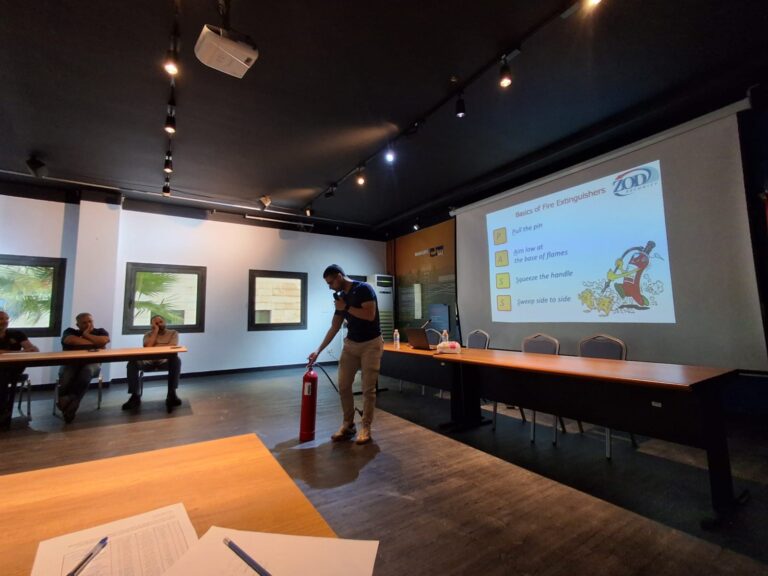
Regular maintenance and inspection of Fire Suppression Systems are crucial to ensure they function properly in case of a fire. The system should be inspected and tested regularly to ensure that it is working correctly and that all components are in good working order. This includes checking the detection devices, suppression agents, and alarm systems to ensure they are functioning properly.
Maintenance and Inspection
Ensure that the Fire Suppression System is inspected and tested regularly.
System Testing
Test the Fire Suppression System to ensure it is working correctly.
Fire Safety Plan
Develop a fire safety plan that includes the Fire Suppression System.
A well-maintained Fire Suppression System can save your business from fire damage by suppressing fires quickly and effectively.
Lebanese Civil Defence and NFPA Standards
Common Questions About Fire Suppression Systems
In conclusion, a Fire Suppression System is a vital component of fire safety, as it can detect and suppress fires quickly, minimizing damage and saving lives. Business owners should consider the type of fire hazards present in their facility when selecting a Fire Suppression System and ensure that the system is inspected and tested regularly. By taking these steps, businesses can protect their investment and ensure the safety of their employees and customers.
Get a Free Fire Safety Assessment
Call ZOD Fire today for a free site visit and fire risk assessment.
Book Your Free Visit