Fire Extinguishers Save Lives
Did you know that having the right Fire Extinguishers can be the difference between life and death in a fire emergency?
- Fire Extinguishers are a crucial part of any fire safety plan, and can help prevent fires from spreading.
- There are different types of Fire Extinguishers, each designed to put out specific types of fires.
- Proper maintenance and inspection of Fire Extinguishers are essential to ensure they function correctly in an emergency.
Fire safety is a critical concern for businesses and organizations in Lebanon, where fires can occur due to various reasons such as electrical malfunctions, cooking accidents, or arson. Having the right Fire Extinguishers can be the difference between containing a small fire and facing a devastating blaze.
In Lebanon, businesses and organizations have a responsibility to ensure the safety of their employees, customers, and assets. This includes having a fire safety plan in place, which includes the installation, maintenance, and inspection of Fire Extinguishers.
Introduction to Fire Extinguishers
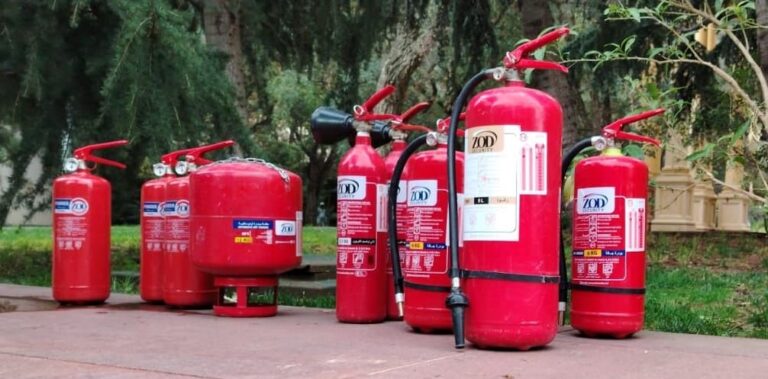
Fire Extinguishers are devices designed to put out or control small fires. They are typically classified into different types based on the type of fire they are designed to extinguish.
It is essential to choose the right type of Fire Extinguisher for your business or organization, based on the types of fires that are most likely to occur.
Fire Extinguisher Types at a Glance
Types of Fire Extinguishers
There are several types of Fire Extinguishers available, each designed to put out specific types of fires. The most common types of Fire Extinguishers include water, foam, dry chemical, and carbon dioxide.
- Water Fire Extinguishers are suitable for Class A fires.
- Foam Fire Extinguishers are suitable for Class B fires.
- Dry Chemical Fire Extinguishers are suitable for Class A, B, and C fires.
- Carbon Dioxide Fire Extinguishers are suitable for Class B and C fires.
Water
Suitable for Class A fires.
Foam
Suitable for Class B fires.
Dry Chemical
Suitable for Class A, B, and C fires.
How to Use a Fire Extinguisher
Using a Fire Extinguisher requires some knowledge and training. The PASS method is a simple and effective way to remember how to use a Fire Extinguisher: P – Pull the safety pin, A – Aim the nozzle, S – Squeeze the handle, and S – Sweep the nozzle from side to side.
Never use a Fire Extinguisher without reading the instructions and understanding how it works.
| Fire Extinguisher Type | Fire Class | Description |
|---|---|---|
| Water | Class A | Suitable for fires involving ordinary combustible materials. |
Fire Extinguisher Maintenance and Inspection
Regular maintenance and inspection of Fire Extinguishers are essential to ensure they function correctly in an emergency. This includes checking the pressure gauge, inspecting the hose and nozzle, and ensuring the Fire Extinguisher is easily accessible.
- ✓Check the pressure gauge to ensure it is within the recommended range.
- ✓Inspect the hose and nozzle for damage or blockages.
- ✓Ensure the Fire Extinguisher is easily accessible and not obstructed by obstacles.
Regular maintenance and inspection of Fire Extinguishers can help prevent fires from spreading and save lives.
Source: Lebanese Civil Defence and NFPA Standards
Common Questions About Fire Extinguishers
In conclusion, Fire Extinguishers are a crucial part of any fire safety plan, and can help prevent fires from spreading. By choosing the right type of Fire Extinguisher, using it correctly, and maintaining it regularly, you can help ensure the safety of your employees, customers, and assets.
Get a Free Fire Safety Assessment
Call ZOD Fire today for a free site visit and fire risk assessment.
Book Your Free Visit