Protect Your Business: Fire Protection Equipment
As a business owner in Lebanon, it is crucial to prioritize fire safety to prevent devastating losses and ensure the well-being of your employees and customers.
- Fire protection equipment is essential for preventing and suppressing fires in commercial and industrial properties.
- Regular maintenance of fire protection equipment is crucial to ensure its effectiveness in case of an emergency.
- Choosing the right fire protection equipment depends on the specific needs and risks of your business.
Fire safety is a critical concern for businesses in Lebanon, where the risk of fires can be high due to various factors such as electrical malfunctions, human error, and natural disasters. Fire protection equipment is a vital component of any fire safety strategy, and it is essential to understand the different types of equipment available and how to choose the right systems for your business.
The consequences of a fire can be devastating, resulting in loss of life, property damage, and disruption to business operations. In addition to the immediate risks, fires can also have long-term consequences, such as damage to reputation and financial losses. Therefore, it is crucial for business owners to prioritize fire safety and invest in effective fire protection equipment.
Fire protection equipment includes a range of systems and devices designed to detect, prevent, and suppress fires. These systems can be broadly categorized into two main types: active and passive fire protection systems. Active fire protection systems, such as fire alarms and sprinkler systems, are designed to detect and respond to fires in real-time. Passive fire protection systems, such as fire-resistant materials and fire doors, are designed to prevent fires from spreading and to contain them in the event of an emergency.
Introduction to Fire Protection Equipment
Fire protection equipment is designed to detect, prevent, and suppress fires in commercial and industrial properties. The most common types of fire protection equipment include fire alarms, sprinkler systems, fire extinguishers, and emergency lighting. These systems are designed to work together to provide a comprehensive fire safety solution.
Regular maintenance of fire protection equipment is essential to ensure its effectiveness in case of an emergency. This includes regular inspections, testing, and maintenance of fire alarms, sprinkler systems, and fire extinguishers.
Types of Fire Extinguishers
Types of Fire Protection Equipment
Fire protection equipment includes a range of systems and devices designed to detect, prevent, and suppress fires. The most common types of fire protection equipment include fire alarms, sprinkler systems, fire extinguishers, and emergency lighting. These systems are designed to work together to provide a comprehensive fire safety solution.
- ✓Fire Alarms are designed to detect fires in real-time and alert occupants to evacuate the premises.
- ✓Sprinkler Systems are designed to suppress fires by releasing water or other fire-suppressing agents.
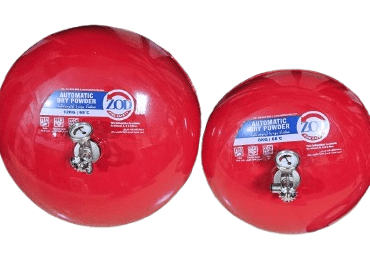
- ✓Fire Extinguishers are designed to put out small fires before they spread.
Fire Prevention
Fire prevention involves taking steps to prevent fires from occurring in the first place. This includes regular maintenance of electrical systems, proper storage of flammable materials, and ensuring that all fire protection equipment is functioning properly.
Fire Detection
Fire detection involves detecting fires in real-time and alerting occupants to evacuate the premises. This includes fire alarms, smoke detectors, and heat detectors.
Fire Suppression
Fire suppression involves suppressing fires using fire-suppressing agents such as water, foam, or dry chemicals. This includes sprinkler systems, fire extinguishers, and fire hoses.
Importance of Regular Maintenance
Regular maintenance of fire protection equipment is essential to ensure its effectiveness in case of an emergency. This includes regular inspections, testing, and maintenance of fire alarms, sprinkler systems, and fire extinguishers.
| Equipment | Maintenance Interval | Description |
|---|---|---|
| Fire Alarms | Monthly | Inspect and test fire alarms to ensure they are functioning properly. |
| Sprinkler Systems | Quarterly | Inspect and test sprinkler systems to ensure they are functioning properly. |
| Fire Extinguishers | Annually | Inspect and test fire extinguishers to ensure they are functioning properly. |
Choosing the Right Fire Protection Equipment
Choosing the right fire protection equipment depends on the specific needs and risks of your business. This includes considering the type of materials used in your business, the size and layout of your premises, and the number of occupants.
- Consider the type of materials used in your business and the risk of fire.
- Consider the size and layout of your premises and the number of occupants.
- Consider the type of fire protection equipment needed, such as fire alarms, sprinkler systems, and fire extinguishers.
Fire protection equipment is a critical component of any fire safety strategy, and it is essential to choose the right systems for your business to ensure a safe and secure environment for your employees and customers.
Lebanese Civil Defence and NFPA Standards
Common Questions About Fire Protection Equipment
Fire protection equipment is a critical component of any fire safety strategy, and it is essential to choose the right systems for your business to ensure a safe and secure environment for your employees and customers. By understanding the different types of fire protection equipment available and how to choose the right systems for your business, you can help prevent fires and minimize the risk of injury or damage.
Get a Free Fire Safety Assessment
Call ZOD Fire today for a free site visit and fire risk assessment.
Book Your Free Visit