Fire Hydrants Safety First
Ensure your business is protected with properly installed and maintained Fire Hydrants, a crucial element in fire protection systems.
- Properly installed and maintained Fire Hydrants are crucial for fire safety in commercial and industrial properties.
- Fire Hydrants must be inspected regularly to ensure they are functioning correctly.
- Business owners should be aware of the different types of Fire Hydrants and their applications.
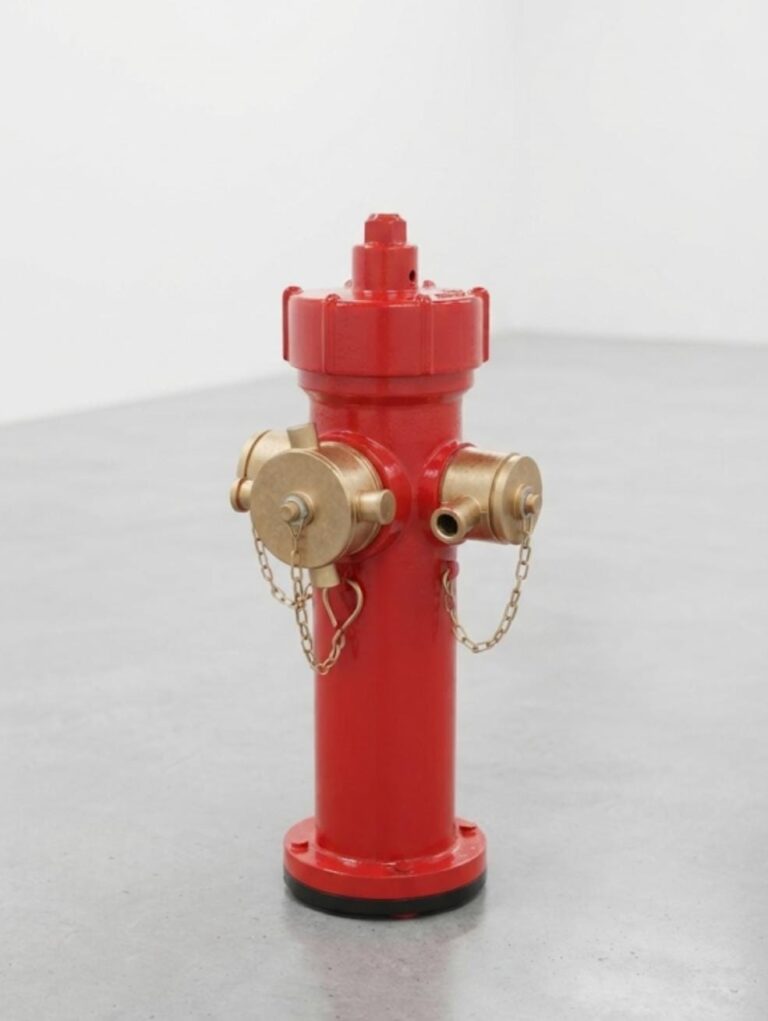
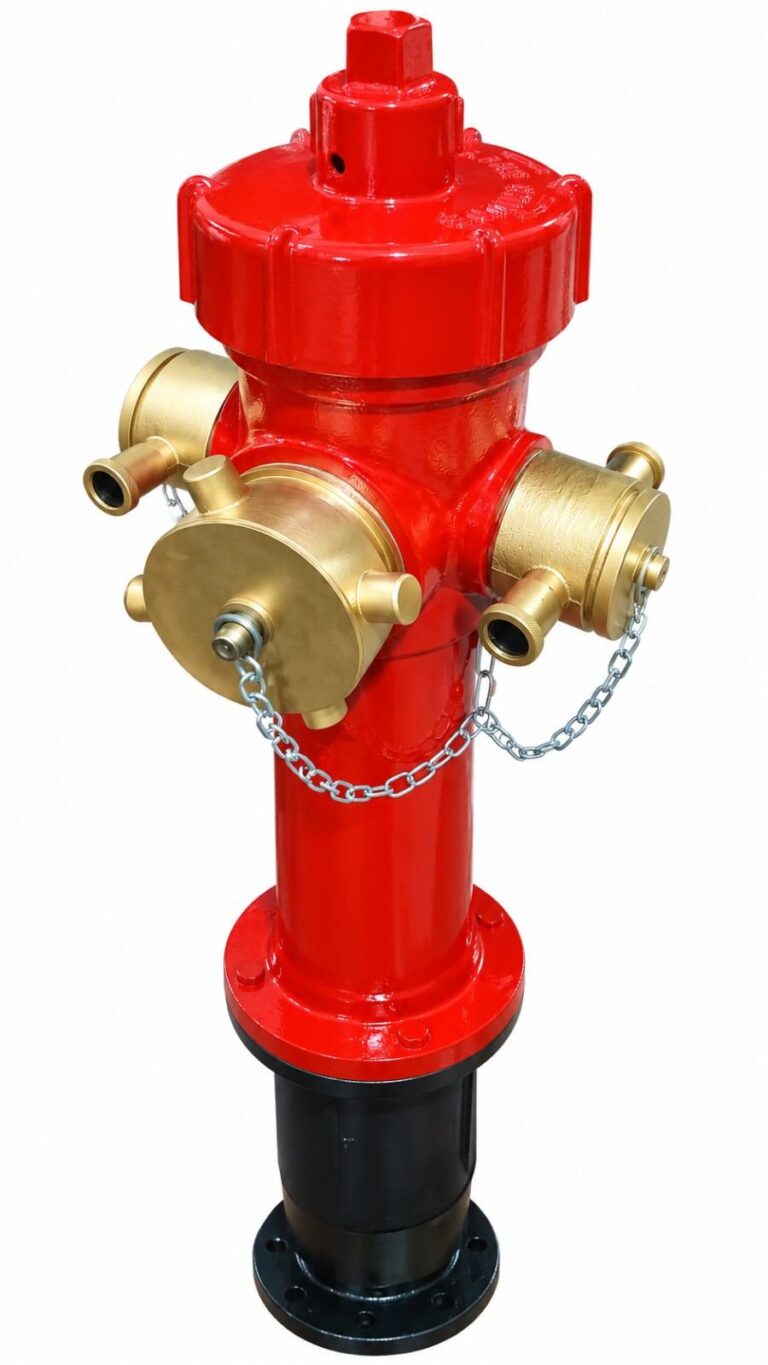
Fire safety is a critical aspect of any business, and one of the most essential components of a fire protection system is the Fire Hydrant. A Fire Hydrant is a device that provides a source of water for fighting fires, and it is typically connected to a municipal water supply or a private water tank. In Lebanon, businesses are required to have Fire Hydrants installed in accordance with NFPA standards.
The importance of Fire Hydrants cannot be overstated. In the event of a fire, a Fire Hydrant can provide a reliable source of water for firefighters to extinguish the flames. Additionally, Fire Hydrants can help to prevent fires from spreading by providing a means of accessing water quickly and easily. However, Fire Hydrants are only effective if they are properly installed, maintained, and inspected regularly.
Introduction to Fire Hydrants
Fire Hydrants are an essential component of fire safety in commercial and industrial properties. They provide a source of water for fighting fires, and they are typically connected to a municipal water supply or a private water tank. Fire Hydrants are designed to be durable and long-lasting, but they require regular maintenance and inspection to ensure they are functioning correctly.
Business owners should ensure that their Fire Hydrants are inspected regularly to prevent damage and ensure they are functioning correctly.
Fire Hydrant Types at a Glance
Importance of Fire Hydrants in Fire Safety
Fire Hydrants play a critical role in fire safety, providing a source of water for firefighters to extinguish flames. They are typically connected to a municipal water supply or a private water tank and are designed to be durable and long-lasting. However, Fire Hydrants require regular maintenance and inspection to ensure they are functioning correctly.
- Fire Hydrants provide a reliable source of water for fighting fires.
- Fire Hydrants help to prevent fires from spreading by providing a means of accessing water quickly and easily.
- Fire Hydrants are an essential component of a fire protection system.
Types of Fire Hydrants
There are several types of Fire Hydrants, each designed for specific applications. The most common types of Fire Hydrants include Wet Barrel Hydrants, Dry Barrel Hydrants, Deluge Hydrants, and Monitor Hydrants. Each type of Fire Hydrant has its own unique characteristics and is designed to provide a specific level of fire protection.
Characteristics
A type of Fire Hydrant that is filled with water and is typically used in areas where the water table is high.
Characteristics
A type of Fire Hydrant that is not filled with water and is typically used in areas where the water table is low.
Characteristics
A type of Fire Hydrant that is designed to provide a large amount of water quickly and is typically used in high-risk areas.
Maintenance and Inspection of Fire Hydrants
Fire Hydrants require regular maintenance and inspection to ensure they are functioning correctly. This includes checking the hydrant for damage, ensuring the valve is functioning properly, and testing the water pressure. Business owners should also ensure that their Fire Hydrants are inspected regularly by a qualified technician.
Failure to maintain and inspect Fire Hydrants regularly can result in damage to the hydrant and reduced fire protection.
| Hydrant Type | Maintenance Requirements | Inspection Frequency |
|---|---|---|
| Wet Barrel Hydrant | Check for damage, ensure valve is functioning properly | Monthly |
| Dry Barrel Hydrant | Check for damage, ensure valve is functioning properly | Quarterly |
| Deluge Hydrant | Check for damage, ensure valve is functioning properly, test water pressure | Annually |
Properly installed and maintained Fire Hydrants are crucial for fire safety in commercial and industrial properties.
NFPA Standards
Common Questions About Fire Hydrants
To ensure fire safety in your business, it is crucial to have properly installed and maintained Fire Hydrants. Regular inspection and maintenance of Fire Hydrants can help prevent damage and ensure they are functioning correctly. By understanding the importance of Fire Hydrants and taking steps to maintain them, you can help protect your business and the people in it.
Get a Free Fire Safety Assessment
Call ZOD Fire today for a free site visit and fire risk assessment.
Book Your Free Visit