Fire Safety Compliance Lebanon: Is Your Business At Risk
Non-compliance with fire safety regulations can lead to severe consequences, including fines, lawsuits, and loss of life, so it is crucial for Lebanese business owners to understand the importance of fire safety compliance.
- Regular fire risk assessments are essential for identifying potential fire hazards and ensuring compliance with Lebanese fire safety regulations.
- Businesses must have a fire safety plan in place, including emergency evacuation procedures and employee training.
- Non-compliance with fire safety regulations can result in severe consequences, including fines and lawsuits.
Fire safety is a critical aspect of any business, and in Lebanon, it is especially important due to the country’s unique cultural and environmental factors. Lebanese business owners must ensure that their businesses comply with fire safety regulations to protect their employees, customers, and assets.
Fire safety compliance is not only a legal requirement, but it also makes good business sense. A fire can have devastating consequences, including loss of life, property damage, and business disruption. By prioritizing fire safety, businesses can minimize the risk of a fire occurring and ensure that they are prepared in case of an emergency.
Introduction to Fire Safety Compliance Lebanon
Fire safety compliance in Lebanon is governed by a range of regulations, including those related to fire extinguishers, fire alarms, and emergency lighting. Businesses must ensure that they comply with these regulations to avoid fines and other penalties.
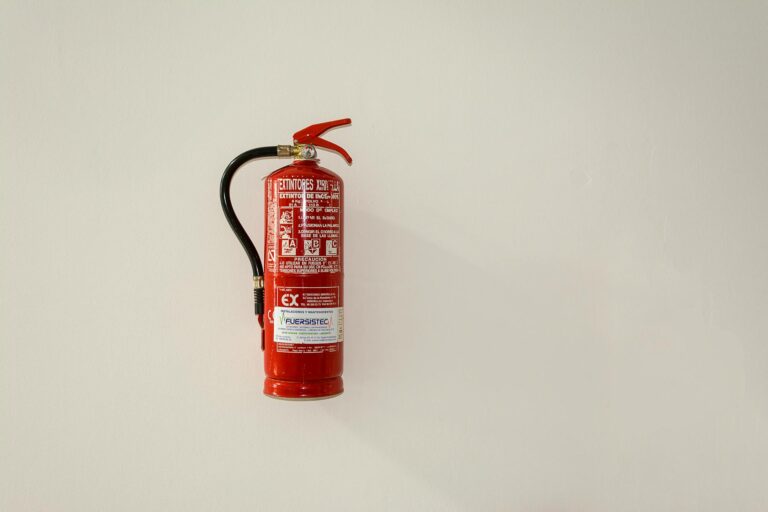
Fire Extinguisher Types at a Glance
Understanding Lebanese Fire Safety Regulations
Lebanese fire safety regulations are based on international standards, including those set by the National Fire Protection Association (NFPA). Businesses must ensure that they comply with these regulations, which cover aspects such as fire extinguishers, fire alarms, and emergency lighting.
- Fire extinguishers must be inspected and maintained regularly.
- Fire alarms must be installed and tested regularly.
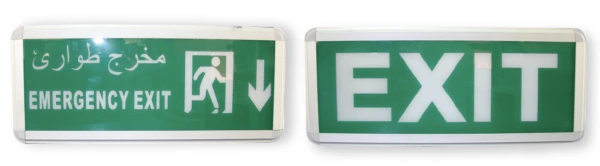
- Emergency lighting must be installed and maintained regularly.
Non-compliance with fire safety regulations can result in severe consequences, including fines and lawsuits.
Consequences of Non-Compliance
Non-compliance with fire safety regulations can have severe consequences, including fines, lawsuits, and loss of life. Businesses that fail to comply with fire safety regulations may also face reputational damage and financial losses.
Financial Consequences
Non-compliance with fire safety regulations can result in significant financial losses, including fines and lawsuits.
Reputational Consequences
Non-compliance with fire safety regulations can damage a business’s reputation and lead to a loss of customer trust.
Human Consequences
Non-compliance with fire safety regulations can result in loss of life and serious injury.
Best Practices for Fire Safety Compliance
Businesses can ensure fire safety compliance by following best practices, such as conducting regular fire risk assessments and providing employee training. Regular maintenance of fire extinguishers, fire alarms, and emergency lighting is also essential.
- ✓Conduct regular fire risk assessments to identify potential fire hazards and ensure compliance with Lebanese fire safety regulations.
- ✓Provide employee training on fire safety procedures and emergency evacuation procedures.
- ✓Maintain fire extinguishers, fire alarms, and emergency lighting regularly to ensure that they are functioning properly.
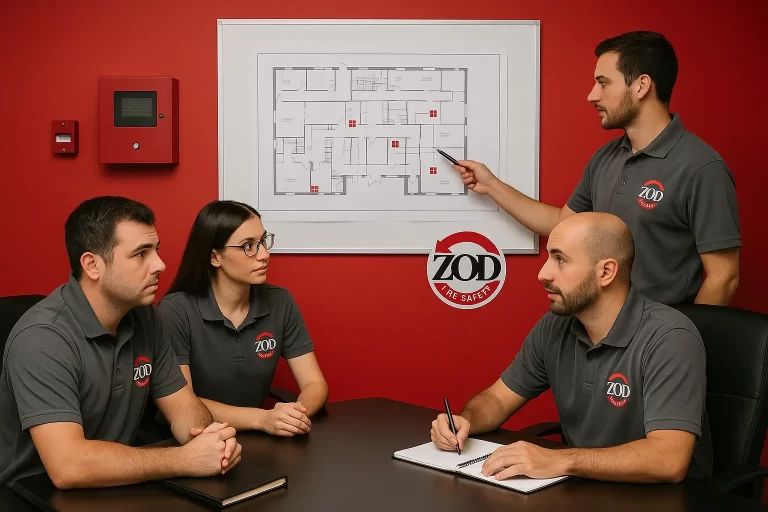
Regular fire risk assessments are essential for identifying potential fire hazards and ensuring compliance with Lebanese fire safety regulations.
Lebanese Civil Defence and NFPA Standards
Common Questions About Fire Safety Compliance Lebanon
Fire safety compliance is a critical aspect of any business in Lebanon, and businesses must prioritize it to protect their employees, customers, and assets. By following best practices and complying with Lebanese fire safety regulations, businesses can minimize the risk of a fire occurring and ensure that they are prepared in case of an emergency.
Get a Free Fire Safety Assessment
Call ZOD Fire today for a free site visit and fire risk assessment.
Book Your Free Visit