Fire Risk Assessment Lebanon: Protect Your Business
Ensure the safety of your business and employees by conducting a fire risk assessment in Lebanon.
- Conducting a fire risk assessment is crucial for identifying potential fire hazards in your business.
- A fire risk assessment can help you develop a plan to mitigate or eliminate fire hazards.
- Regular fire safety training and drills can help ensure your employees are prepared in case of a fire emergency.
Fire safety is a critical concern for businesses in Lebanon, where the risk of fire is ever-present. According to the Lebanese Civil Defence, fires can occur due to various reasons such as electrical malfunctions, arson, or accidental ignition. As a business owner in Lebanon, it is essential to take proactive measures to protect your business and employees from fire hazards.
A fire risk assessment is a systematic process of identifying potential fire hazards, assessing the risk, and developing a plan to mitigate or eliminate the risk. In Lebanon, businesses are required to conduct regular fire risk assessments to ensure compliance with local regulations and standards.
Introduction to Fire Risk Assessment Lebanon
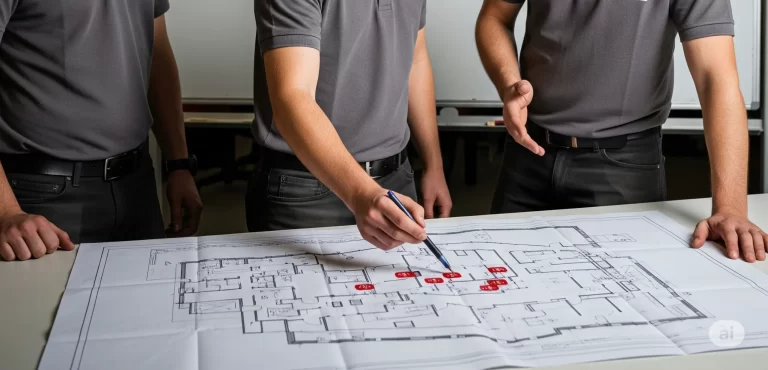
A fire risk assessment is a critical component of fire safety planning. It involves identifying potential fire hazards, such as flammable materials, electrical equipment, and hot surfaces, and assessing the risk of fire occurring.
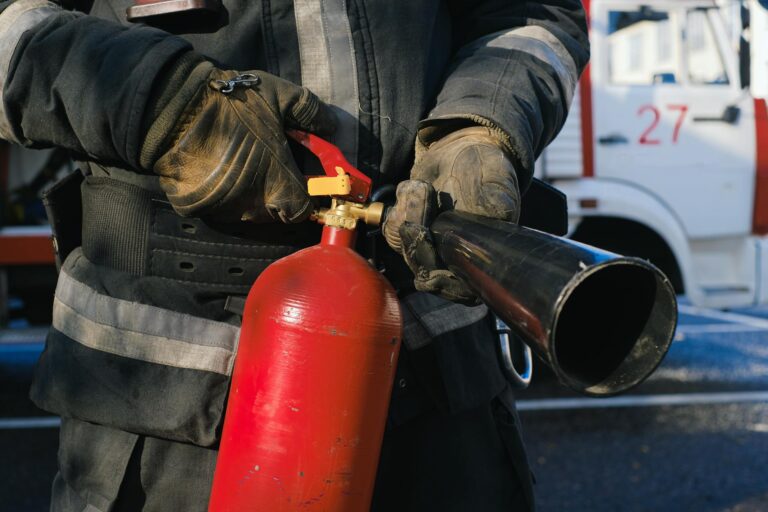
Fire Extinguisher Types at a Glance
Benefits of Fire Risk Assessment for Lebanese Businesses
Conducting a fire risk assessment can help Lebanese businesses identify potential fire hazards and develop a plan to mitigate or eliminate the risk. This can help reduce the risk of fire, protect employees and customers, and minimize damage to property and equipment.
- Reduced risk of fire
- Protection of employees and customers
- Minimized damage to property and equipment
Conducting a Fire Risk Assessment in Lebanon
Conducting a fire risk assessment involves several steps, including identifying potential fire hazards, assessing the risk, and developing a plan to mitigate or eliminate the risk. Businesses in Lebanon can conduct a fire risk assessment by following these steps:
Identify Potential Fire Hazards
Identify potential fire hazards such as flammable materials, electrical equipment, and hot surfaces.
Assess the Risk
Assess the risk of fire occurring by considering factors such as the likelihood of ignition, the spread of fire, and the potential consequences.
Develop a Plan
Develop a plan to mitigate or eliminate the risk, including measures such as installing fire alarms and suppression systems, conducting regular fire drills, and providing fire safety training to employees.
Common Fire Hazards in Lebanese Businesses
Lebanese businesses are at risk of various fire hazards, including electrical malfunctions, arson, and accidental ignition. Some common fire hazards in Lebanese businesses include:
| Hazard | Description |
|---|---|
| Electrical Equipment | Electrical equipment such as appliances and wiring can be a fire hazard if not properly maintained. |
| Flammable Materials | Flammable materials such as paper, wood, and cloth can ignite and spread fire quickly. |
| Hot Surfaces | Hot surfaces such as stovetops and heaters can ignite flammable materials and cause fires. |
Conducting a fire risk assessment is crucial for identifying potential fire hazards and developing a plan to mitigate or eliminate the risk.
Lebanese Civil Defence and NFPA Standards
Common Questions About Fire Risk Assessment Lebanon
Conducting a fire risk assessment is a critical step in protecting your business and employees from fire hazards. By identifying potential fire hazards and developing a plan to mitigate or eliminate the risk, you can reduce the risk of fire and ensure a safe working environment.
Get a Free Fire Safety Assessment
Call ZOD Fire today for a free site visit and fire risk assessment.
Book Your Free Visit