Protect Your Business: Fire Suppression System
A fire can break out at any moment, causing devastating damage to your business, so it is crucial to have a reliable fire suppression system in place.
- A fire suppression system can help protect your business from fire hazards and ensure compliance with fire safety regulations.
- There are different types of fire suppression systems, including clean agent, carbon dioxide, and water-based systems.
- Regular maintenance and inspection of fire suppression systems are crucial to ensure they function properly in the event of a fire.
Fire safety is a critical concern for businesses in Lebanon, as a fire can break out at any moment, causing devastating damage to property and potentially resulting in loss of life. One of the most effective ways to protect your business from fire hazards is by installing a reliable fire suppression system.
A fire suppression system is designed to detect and extinguish fires quickly and effectively, minimizing damage to property and reducing the risk of injury or loss of life. These systems are especially important in commercial and industrial settings, where the risk of fire is higher due to the presence of flammable materials and equipment.
What is a Fire Suppression System
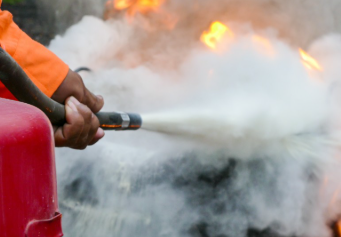
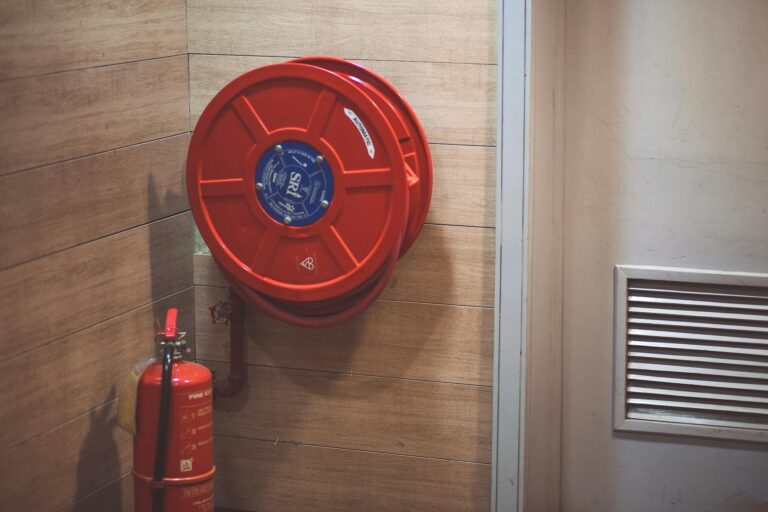
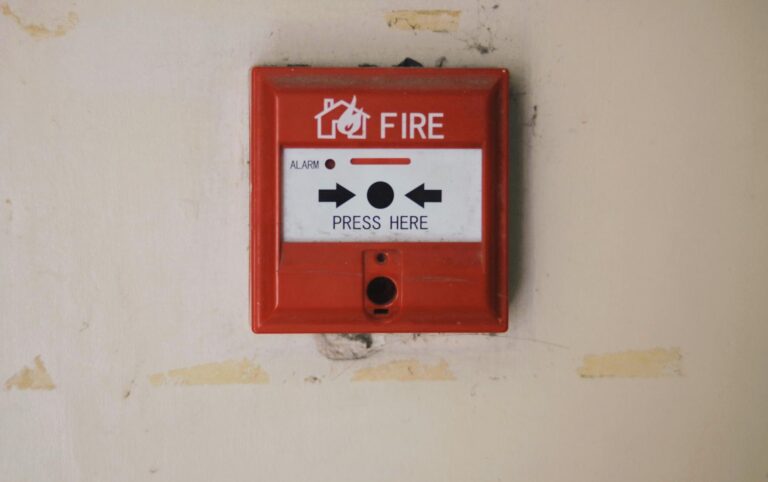
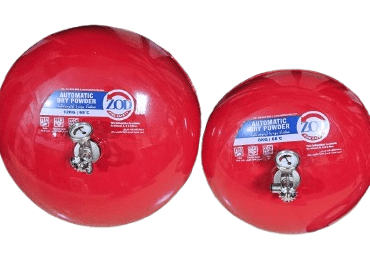
A fire suppression system is a network of components that work together to detect and extinguish fires. These systems typically include sensors, alarms, and extinguishing agents, such as clean agents, carbon dioxide, or water.
When selecting a fire suppression system, it is essential to consider the specific needs of your business, including the type of materials and equipment used, as well as the layout of your facility.
Fire Suppression System Components
Types of Fire Suppression Systems
There are several types of fire suppression systems, each with its own unique characteristics and applications. Some common types include clean agent, carbon dioxide, and water-based systems.
- Clean agent systems use a colorless, odorless gas to extinguish fires without damaging equipment or leaving residue.
- Carbon dioxide systems use a high-pressure CO2 discharge to displace oxygen and smother fires.
- Water-based systems use water or a water-based solution to cool and extinguish fires.
Fast, Effective, and Residue-Free
Clean agent systems are ideal for protecting sensitive equipment and electronics.
Effective for Class B and C Fires
Carbon dioxide systems are commonly used in industrial settings, such as garages and spray paint booths.
Cooling and Extinguishing
Water-based systems are often used in commercial kitchens, warehouses, and other areas where water is readily available.
How Fire Suppression Systems Work
Fire suppression systems work by detecting heat, smoke, or flames, and then releasing an extinguishing agent to smother or cool the fire. The system is typically triggered by sensors, which send a signal to the control panel to release the extinguishing agent.
It is crucial to ensure that fire suppression systems are regularly inspected and maintained to ensure they function properly in the event of a fire.
| System Type | Extinguishing Agent | Application |
|---|---|---|
| Clean Agent | Colorless, odorless gas | Sensitive equipment and electronics |
| Carbon Dioxide | High-pressure CO2 discharge | Industrial settings, garages, and spray paint booths |
| Water-Based | Water or water-based solution | Commercial kitchens, warehouses, and areas with readily available water |
Importance of Fire Suppression Systems in Lebanese Businesses
Fire suppression systems are essential for protecting Lebanese businesses from fire hazards and ensuring compliance with fire safety regulations. These systems can help prevent fires from spreading, reducing the risk of damage to property and injury to occupants.
- ✓Reduced Risk of Fire Fire suppression systems can detect and extinguish fires quickly, reducing the risk of damage to property and injury to occupants.
- ✓Compliance with Regulations Fire suppression systems can help businesses comply with fire safety regulations, reducing the risk of fines and penalties.
- ✓Protection of Assets Fire suppression systems can protect valuable assets, such as equipment and data, from damage caused by fires.
A reliable fire suppression system is essential for protecting your Lebanese business from fire hazards and ensuring compliance with fire safety regulations.
Lebanese Civil Defence and NFPA Standards
Common Questions About Fire Suppression Systems
To protect your Lebanese business from fire hazards, it is essential to install a reliable fire suppression system and ensure it is regularly inspected and maintained. By taking these steps, you can minimize the risk of damage to property and injury to occupants, and ensure compliance with fire safety regulations.
Get a Free Fire Safety Assessment
Call ZOD Fire today for a free site visit and fire risk assessment.
Book Your Free Visit