Fire Alarm Installation Lebanon: Protect Your Business
Don’t let fire damage your business, learn how to protect your assets with a reliable fire alarm system.
- Fire alarm systems are essential for protecting businesses from fire damage and ensuring compliance with NFPA standards.
- Choosing the right fire alarm system depends on the size and type of business, as well as the level of protection required.
- Regular maintenance and inspection of fire alarm systems are crucial to ensure they function properly in case of an emergency.
Fire alarm systems are a critical component of fire safety in businesses. They provide early warning of potential fires, allowing occupants to evacuate the premises and reducing the risk of injury or damage. In Lebanon, businesses are required to comply with NFPA standards for fire safety, which includes the installation and maintenance of fire alarm systems.
The importance of fire alarm systems cannot be overstated. According to NFPA standards, fire alarm systems should be installed in all commercial and industrial properties, as well as in residential buildings with multiple occupancy. This is because fire alarm systems can detect fires early, providing valuable minutes for occupants to escape and for firefighters to respond.
However, choosing the right fire alarm system can be a daunting task, especially for businesses that are not familiar with fire safety regulations. There are many different types of fire alarm systems available, each with its own strengths and weaknesses. In this article, we will explore the benefits of fire alarm systems for businesses, how to choose the right system, and the importance of regular maintenance and inspection.
Introduction to Fire Alarm Installation Lebanon
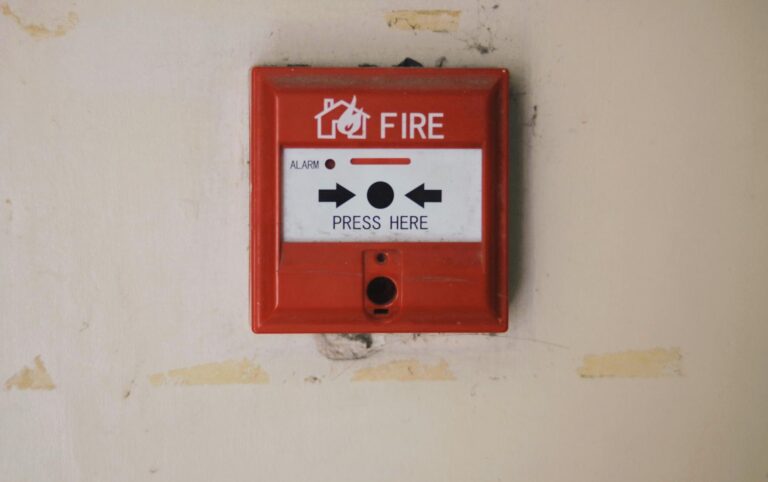
Fire alarm systems are designed to detect fires and provide early warning to occupants. They typically consist of a control panel, sensors, and alarm devices. The control panel is the brain of the system, receiving signals from sensors and sending alerts to alarm devices. Sensors detect heat, smoke, or flames, and send signals to the control panel. Alarm devices, such as sirens or strobe lights, alert occupants of a potential fire.
Fire Alarm System Components
Benefits of Fire Alarm Systems for Businesses
Fire alarm systems provide numerous benefits for businesses, including early warning of potential fires, reduced risk of injury or damage, and compliance with NFPA standards. They can also help to reduce insurance premiums and improve business continuity. In addition, fire alarm systems can be integrated with other safety systems, such as sprinkler systems and emergency lighting, to provide a comprehensive safety solution.
- Early warning of potential fires
- Reduced risk of injury or damage
- Compliance with NFPA standards
- Reduced insurance premiums
- Improved business continuity
Choosing the Right Fire Alarm System
Choosing the right fire alarm system depends on the size and type of business, as well as the level of protection required. There are many different types of fire alarm systems available, including conventional, addressable, and wireless systems. Conventional systems are the most basic type of fire alarm system, using a centralized control panel to monitor sensors and alarm devices. Addressable systems are more advanced, using a computer-based control panel to monitor and control individual sensors and alarm devices. Wireless systems use wireless sensors and alarm devices, providing greater flexibility and ease of installation.
Consider the level of protection required, the size and type of business, and the budget when choosing a fire alarm system.
Fire Alarm Installation and Maintenance
Fire alarm installation and maintenance are critical to ensuring the system functions properly in case of an emergency. The system should be installed by a qualified technician, and regular maintenance and inspection should be performed to ensure the system is functioning correctly. This includes testing sensors and alarm devices, checking wiring and connections, and performing software updates.
Installation of Fire Alarm System
The system should be installed by a qualified technician, following NFPA standards and local regulations.
Regular Maintenance and Inspection
Regular maintenance and inspection should be performed to ensure the system is functioning correctly, including testing sensors and alarm devices, checking wiring and connections, and performing software updates.
Inspection and Testing
The system should be inspected and tested regularly to ensure it is functioning correctly, including testing sensors and alarm devices, checking wiring and connections, and performing software updates.
Fire alarm systems are a critical component of fire safety in businesses, providing early warning of potential fires and reducing the risk of injury or damage.
NFPA Standards
Common Questions About Fire Alarm Installation Lebanon
Fire alarm systems are a critical component of fire safety in businesses, providing early warning of potential fires and reducing the risk of injury or damage. By choosing the right fire alarm system and ensuring regular maintenance and inspection, businesses can protect their assets and ensure compliance with NFPA standards.
Get a Free Fire Safety Assessment
Call ZOD Fire today for a free site visit and fire risk assessment.
Book Your Free Visit